
The Silent Crisis: Why Biodiversity Rescue is Our Greatest Challenge
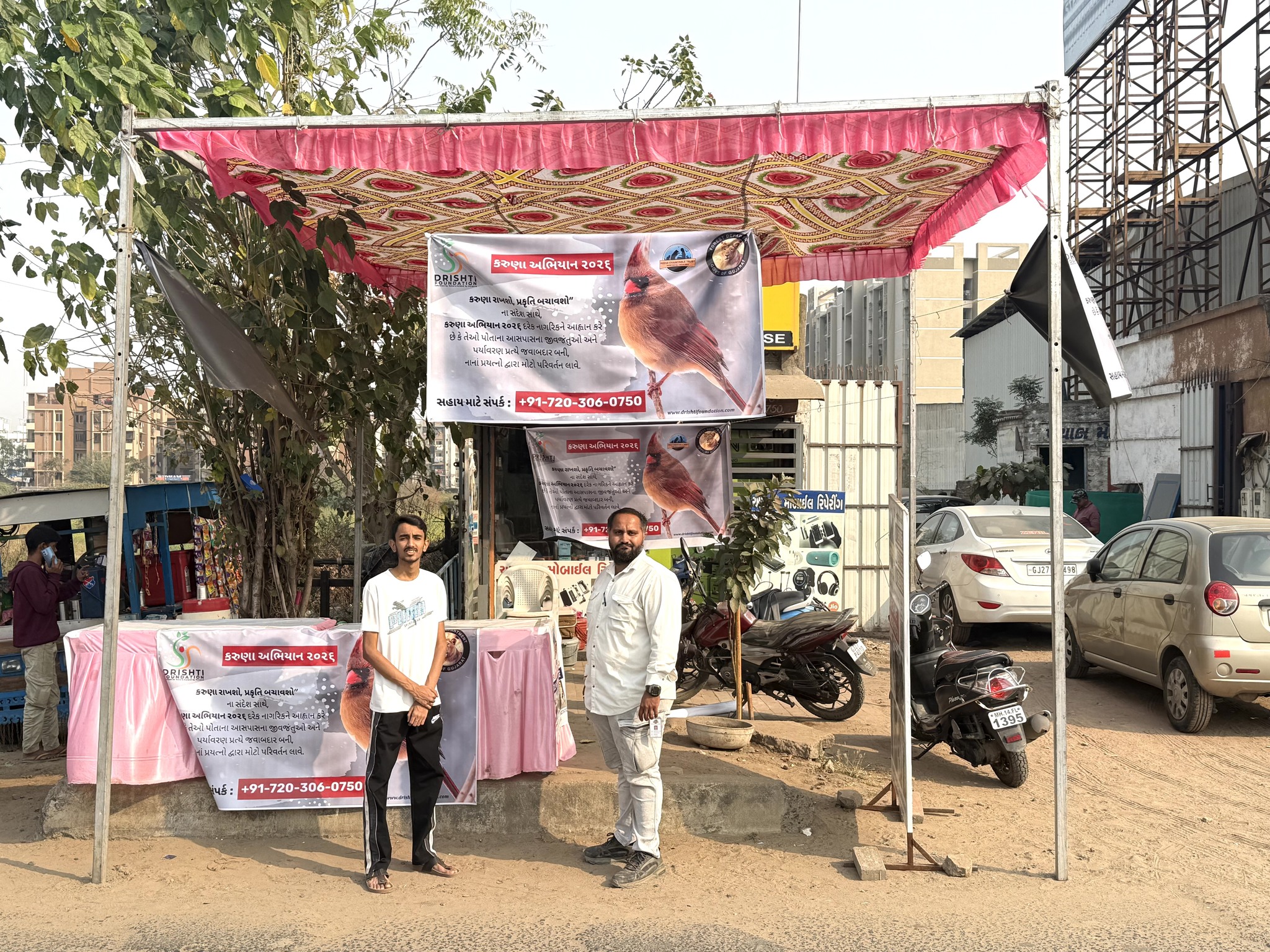
The Earth is currently navigating the sixth mass extinction event in its history, and unlike the previous five, this one is driven primarily by human activity. The loss of biological diversity is not just a tragedy for nature lovers; it is a systemic risk to global food security, health, and economic stability. At Drishti Foundation, our twenty-seven-year legacy in Research and Development has taught us that biodiversity is the planet’s most complex and vital infrastructure. When we speak of “Biodiversity Rescue,” we are speaking of a comprehensive intervention strategy designed to halt the degradation of ecosystems and actively restore the species that keep them functioning.
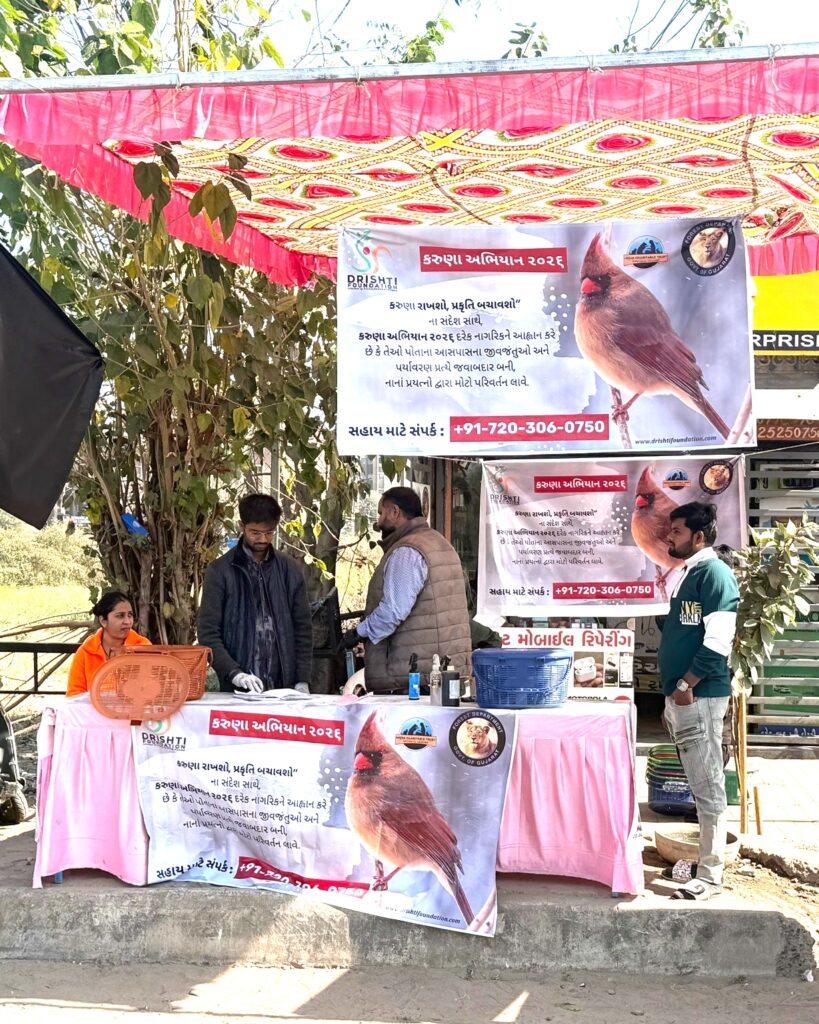
Biodiversity acts as a biological insurance policy. A diverse ecosystem is more resilient to shocks such as climate change, invasive species, and disease. However, as habitats are fragmented by urbanization and industrial expansion, the genetic pool of our wildlife shrinks, making species more vulnerable to extinction. Rescue, in this context, means more than just saving a single animal; it means preserving the genetic blueprints of our planet. Our research-driven approach focuses on identifying “keystone species”—those whose impact on their ecosystem is disproportionately large and ensuring their survival to maintain the balance of the entire habitat.
A Legacy of Innovation: 27 Years of Research and Development
The Drishti Foundation was founded on the principle that conservation must be backed by rigorous data and innovative engineering. For nearly three decades, we have operated at the intersection of environmental science and sustainable development. Our R&D wing has consistently sought to answer the difficult questions: How can we monitor elusive species in dense terrains? What are the long-term effects of micro-climatic shifts on local flora and fauna? How can human progress be decoupled from ecological destruction?
Through years of fieldwork and laboratory analysis, we have developed a deep understanding of the specific stressors affecting local biodiversity. This long-term perspective is what sets our foundation apart. We don’t just implement short-term fixes; we build systems designed for generational impact. Our data repositories now serve as a baseline for understanding how ecosystems have changed over the last quarter-century, providing us with the “predictive intelligence” necessary to launch our most ambitious project yet: the Animal Rescue Shelter.
Bridging the Gap: The Transition from Research to Rehabilitation
While our research has provided the “why” and the “how” of conservation, we recognized a critical “where” was missing a physical space where the most vulnerable victims of environmental degradation could receive world-class care. Biodiversity rescue often requires immediate, hands-on intervention. Whether it is an animal injured by human-wildlife conflict or a species displaced by a sudden natural disaster, the window for effective rescue is often incredibly narrow.
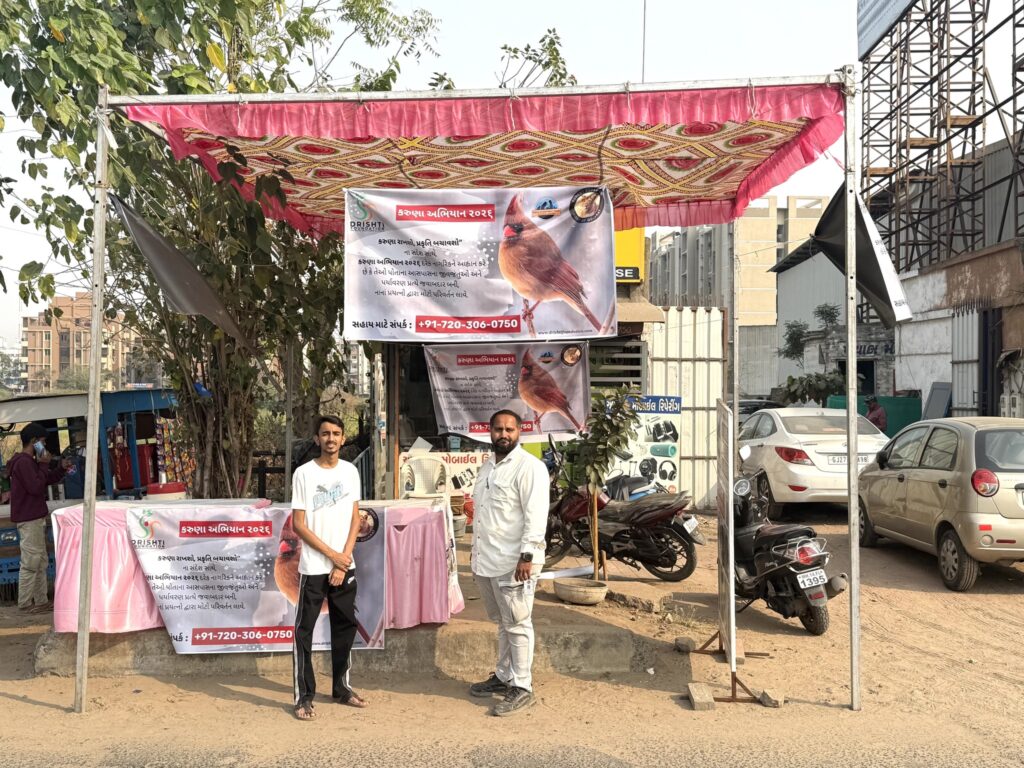
This realization led to the conceptualization of our new Animal Rescue Shelter. We understood that to truly make a difference, we couldn’t just build a traditional holding pen. We needed a facility that mirrored the sophistication of our research. The transition from being a research-heavy organization to one that provides direct clinical intervention is a natural evolution for Drishti Foundation. It allows us to apply our scientific findings in real-time, creating a feedback loop between the laboratory and the recovery ward.
Ultra-Modern Facilities: Setting a New Standard for Care
The hallmark of the Drishti Foundation’s new initiative is the integration of ultra-modern facilities that are rarely seen in the non-profit conservation sector. We believe that wildlife deserves the same level of medical and technological sophistication that is available in human healthcare. Our shelter is being constructed with a focus on three pillars: Advanced Diagnostics, Specialized Recovery, and Biosecurity.
1. Advanced Diagnostic and Surgical Suites
The shelter will house full-scale diagnostic labs equipped with digital radiography, ultrasonography, and on-site blood analysis. Many rescued animals suffer from internal injuries or cryptic diseases that are invisible to the naked eye. By having these tools on-site, our veterinary team can move from rescue to diagnosis in minutes, significantly increasing the chances of survival. Our surgical suites are designed for “multi-species adaptability,” allowing us to perform complex procedures on everything from small avian species to larger mammals.
2. Smart Habitats and Climate-Controlled Recovery
Recovery is a delicate phase. An animal in shock requires a precise environment to heal. Our facility features “Smart Habitats”—enclosures equipped with sensors that monitor temperature, humidity, and even the activity levels of the patient. For species sensitive to the elements, we have implemented advanced HVAC systems that can mimic the specific micro-climates of their natural homes. This reduces the stress of captivity and accelerates the healing process, ensuring the animal remains “wild at heart” during its stay.
3. Biosecurity and Quarantine Protocols
In an era of zoonotic diseases, biosecurity is paramount. Our shelter includes specialized quarantine zones with independent air filtration systems. This ensures that newly arrived rescues, who may be carrying unknown pathogens, do not pose a risk to the existing population or the surrounding environment. This level of rigor is a direct result of our R&D background we understand the microbial world just as well as the macroscopic one.
The Philosophy of “Rescue to Reintroduction”
The ultimate goal of the Drishti Foundation is never permanent captivity. Our Animal Rescue Shelter is designed as a “waystation,” not a destination. The philosophy governing the facility is Rescue, Rehabilitate, Reintroduce. Every square inch of the ultra-modern facility is designed to prepare animals for life back in the wild.
This process involves “soft release” enclosures where animals can reacclimatize to natural sounds and weather patterns while still under the watchful eye of our researchers. We utilize non-intrusive monitoring technology, such as AI-driven cameras, to observe hunting or foraging behaviours without human interference. This ensures that when an animal is finally released, it possesses the skills and the health necessary to contribute back to the biodiversity of its ecosystem. This full-circle approach is what makes our “Biodiversity Rescue” mission truly sustainable.
A Call to Collaborative Action
The establishment of this shelter is a monumental task that reflects the Drishti Foundation’s 27-year commitment to excellence. However, biodiversity rescue is a collective responsibility. Our ultra-modern facilities serve as a beacon for what is possible when science, compassion, and technology converge. We are not just building a building; we are building a future where the diversity of life is celebrated and protected.
As we move toward the completion of this facility, we invite researchers, conservationists, and the global community to engage with our mission. The data we gather within these walls will inform global conservation strategies for years to come. By supporting the Drishti Foundation, you are supporting a legacy of research and a future of active, high-tech rescue. Together, we can ensure that the “silent engine” of our planet continues to run, vibrant and diverse, for the next twenty-seven years and beyond.
Reach out to explore collaborations, discover our initiatives, and contribute to creating meaningful, lasting change.”
Twitter : https://www.twitter.com/drishtiresearch
Youtube : https://www.youtube.com/drishtiresearch
Facebook: https://www.facebook.com/drishtiresearch
Instagram : https://www.instagram.com/drishtiresearch
Related Post
Why Drishti Foundation is Your Ideal CSR Partner for Your CSR Initiatives in India
Drishti Foundation, with 27 years of grassroots expertise in education, environment, public policy, and rural [...]
Key Strengths of Drishti Foundation as CSR Partner: Your Gateway to Impactful Corporate Social Responsibility
Key Strengths of Drishti Foundation as CSR Partner: Your Gateway to Impactful Corporate Social Responsibility [...]