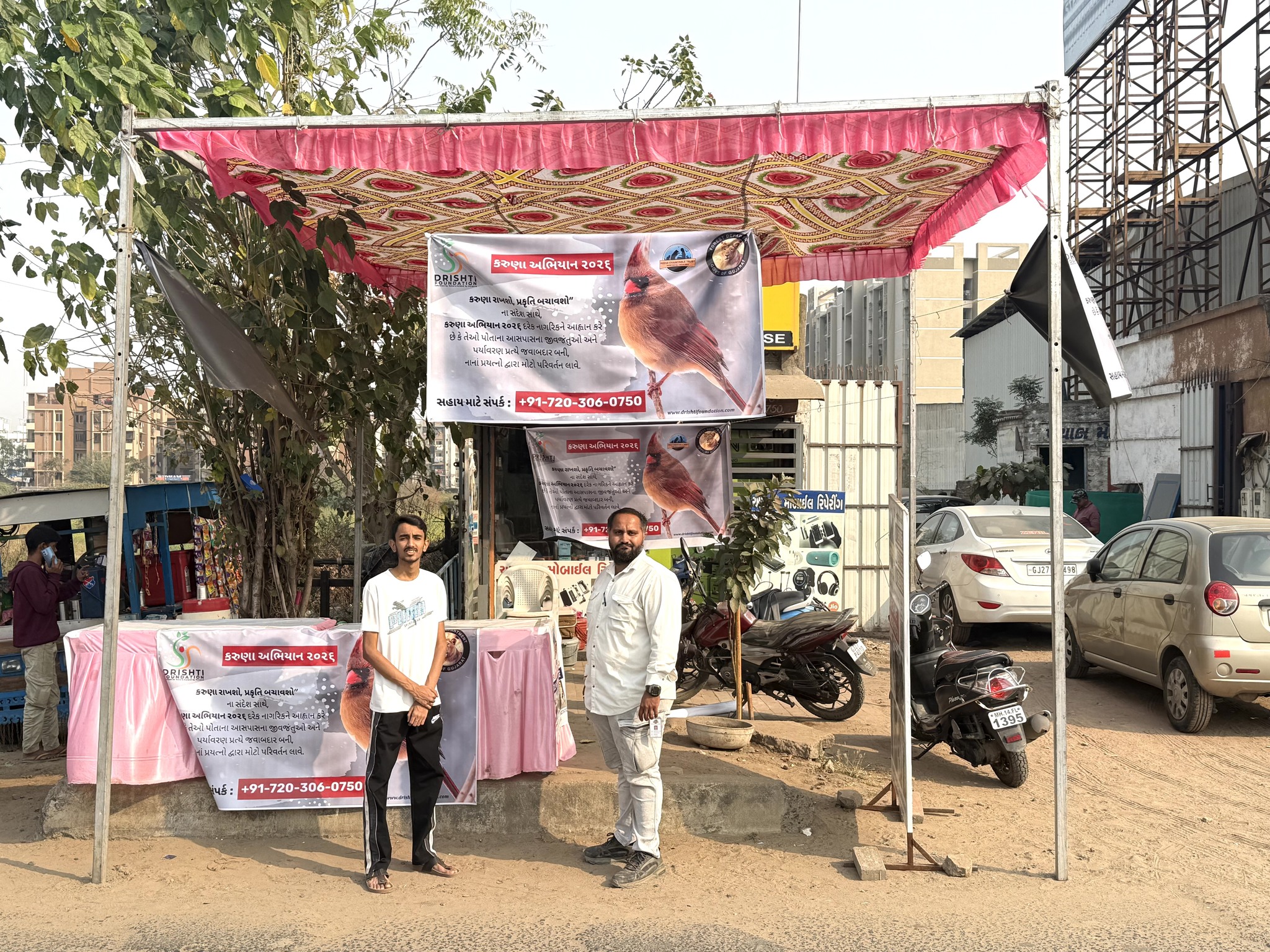
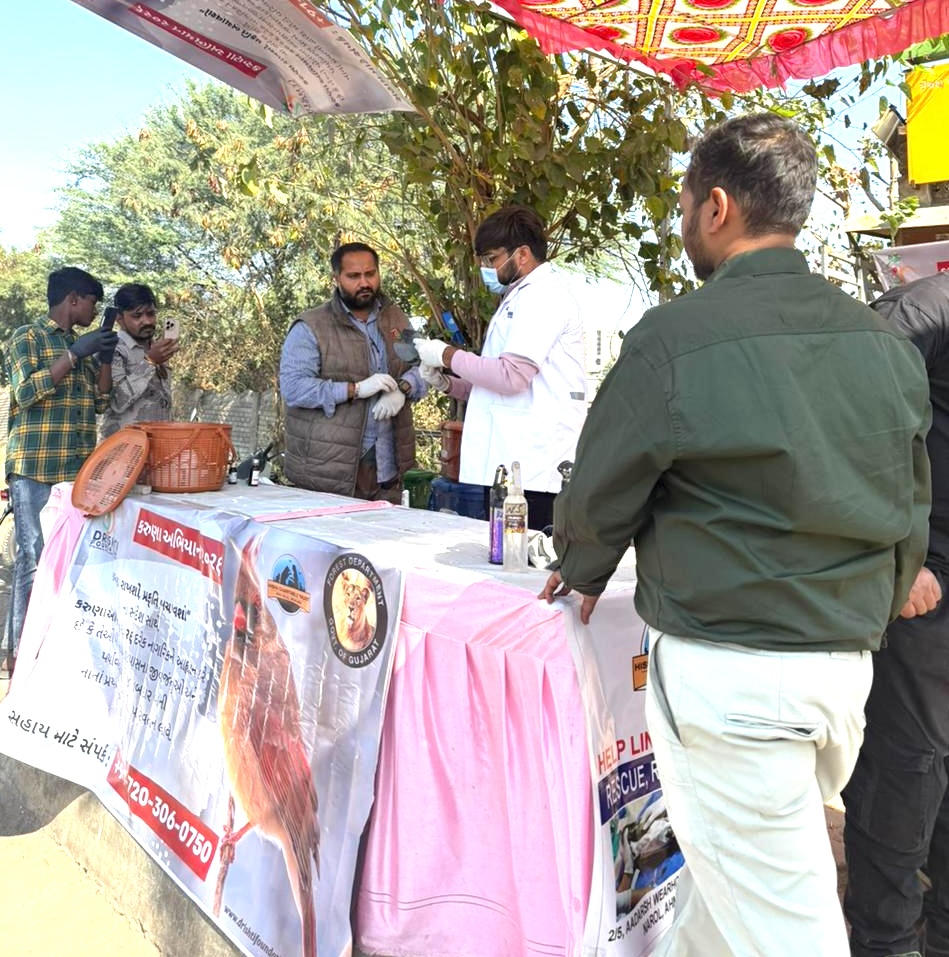
The Silent Crisis: Why Biodiversity Rescue is Our Greatest Challenge

The Earth is currently navigating the sixth mass extinction event in its history, and unlike the previous five, this one is driven primarily by human activity. The loss of biological diversity is not just a tragedy for nature lovers; it is a systemic risk to global food security, health, and economic stability. At Drishti Foundation, our twenty-seven-year legacy in Research and Development has taught us that biodiversity is the planet’s most complex and vital infrastructure. When we speak of “Biodiversity Rescue,” we are speaking of a comprehensive intervention strategy designed to halt the degradation of ecosystems and actively restore the species that keep them functioning.

Biodiversity acts as a biological insurance policy. A diverse ecosystem is more resilient to shocks such as climate change, invasive species, and disease. However, as habitats are fragmented by urbanization and industrial expansion, the genetic pool of our wildlife shrinks, making species more vulnerable to extinction. Rescue, in this context, means more than just saving a single animal; it means preserving the genetic blueprints of our planet. Our research-driven approach focuses on identifying “keystone species”—those whose impact on their ecosystem is disproportionately large and ensuring their survival to maintain the balance of the entire habitat.

A Legacy of Innovation: 27 Years of Research and Development

The Drishti Foundation was founded on the principle that conservation must be backed by rigorous data and innovative engineering. For nearly three decades, we have operated at the intersection of environmental science and sustainable development. Our R&D wing has consistently sought to answer the difficult questions: How can we monitor elusive species in dense terrains? What are the long-term effects of micro-climatic shifts on local flora and fauna? How can human progress be decoupled from ecological destruction?

Through years of fieldwork and laboratory analysis, we have developed a deep understanding of the specific stressors affecting local biodiversity. This long-term perspective is what sets our foundation apart. We don’t just implement short-term fixes; we build systems designed for generational impact. Our data repositories now serve as a baseline for understanding how ecosystems have changed over the last quarter-century, providing us with the “predictive intelligence” necessary to launch our most ambitious project yet: the Animal Rescue Shelter.

Bridging the Gap: The Transition from Research to Rehabilitation

While our research has provided the “why” and the “how” of conservation, we recognized a critical “where” was missing a physical space where the most vulnerable victims of environmental degradation could receive world-class care. Biodiversity rescue often requires immediate, hands-on intervention. Whether it is an animal injured by human-wildlife conflict or a species displaced by a sudden natural disaster, the window for effective rescue is often incredibly narrow.

This realization led to the conceptualization of our new Animal Rescue Shelter. We understood that to truly make a difference, we couldn’t just build a traditional holding pen. We needed a facility that mirrored the sophistication of our research. The transition from being a research-heavy organization to one that provides direct clinical intervention is a natural evolution for Drishti Foundation. It allows us to apply our scientific findings in real-time, creating a feedback loop between the laboratory and the recovery ward.

Ultra-Modern Facilities: Setting a New Standard for Care

The hallmark of the Drishti Foundation’s new initiative is the integration of ultra-modern facilities that are rarely seen in the non-profit conservation sector. We believe that wildlife deserves the same level of medical and technological sophistication that is available in human healthcare. Our shelter is being constructed with a focus on three pillars: Advanced Diagnostics, Specialized Recovery, and Biosecurity.

1. Advanced Diagnostic and Surgical Suites

The shelter will house full-scale diagnostic labs equipped with digital radiography, ultrasonography, and on-site blood analysis. Many rescued animals suffer from internal injuries or cryptic diseases that are invisible to the naked eye. By having these tools on-site, our veterinary team can move from rescue to diagnosis in minutes, significantly increasing the chances of survival. Our surgical suites are designed for “multi-species adaptability,” allowing us to perform complex procedures on everything from small avian species to larger mammals.

2. Smart Habitats and Climate-Controlled Recovery

Recovery is a delicate phase. An animal in shock requires a precise environment to heal. Our facility features “Smart Habitats”—enclosures equipped with sensors that monitor temperature, humidity, and even the activity levels of the patient. For species sensitive to the elements, we have implemented advanced HVAC systems that can mimic the specific micro-climates of their natural homes. This reduces the stress of captivity and accelerates the healing process, ensuring the animal remains “wild at heart” during its stay.

3. Biosecurity and Quarantine Protocols

In an era of zoonotic diseases, biosecurity is paramount. Our shelter includes specialized quarantine zones with independent air filtration systems. This ensures that newly arrived rescues, who may be carrying unknown pathogens, do not pose a risk to the existing population or the surrounding environment. This level of rigor is a direct result of our R&D background we understand the microbial world just as well as the macroscopic one.

The Philosophy of “Rescue to Reintroduction”

The ultimate goal of the Drishti Foundation is never permanent captivity. Our Animal Rescue Shelter is designed as a “waystation,” not a destination. The philosophy governing the facility is Rescue, Rehabilitate, Reintroduce. Every square inch of the ultra-modern facility is designed to prepare animals for life back in the wild.

This process involves “soft release” enclosures where animals can reacclimatize to natural sounds and weather patterns while still under the watchful eye of our researchers. We utilize non-intrusive monitoring technology, such as AI-driven cameras, to observe hunting or foraging behaviours without human interference. This ensures that when an animal is finally released, it possesses the skills and the health necessary to contribute back to the biodiversity of its ecosystem. This full-circle approach is what makes our “Biodiversity Rescue” mission truly sustainable.

A Call to Collaborative Action

The establishment of this shelter is a monumental task that reflects the Drishti Foundation’s 27-year commitment to excellence. However, biodiversity rescue is a collective responsibility. Our ultra-modern facilities serve as a beacon for what is possible when science, compassion, and technology converge. We are not just building a building; we are building a future where the diversity of life is celebrated and protected.

As we move toward the completion of this facility, we invite researchers, conservationists, and the global community to engage with our mission. The data we gather within these walls will inform global conservation strategies for years to come. By supporting the Drishti Foundation, you are supporting a legacy of research and a future of active, high-tech rescue. Together, we can ensure that the “silent engine” of our planet continues to run, vibrant and diverse, for the next twenty-seven years and beyond.

Reach out to explore collaborations, discover our initiatives, and contribute to creating meaningful, lasting change.”

Twitter : https://www.twitter.com/drishtiresearch

Youtube : https://www.youtube.com/drishtiresearch

Facebook: https://www.facebook.com/drishtiresearch

Instagram : https://www.instagram.com/drishtiresearch

Linkedin : https://www.linkedin.com/company/drishtiresearch 

Importance of Traditional Plantation for Biodiversity Development in India: A Comparison with the Miyawaki Forest Technique

India is one of the world’s richest biodiversity regions, hosting nearly 8% of the world’s known biodiversity while occupying only about 2.4% of the global land area. However, increasing urbanisation, land degradation, deforestation, and climate change have placed immense pressure on natural ecosystems. In this context, plantation initiatives are increasingly recognized as an important strategy for ecological restoration and biodiversity conservation. As a more than two and half decades old non-profit philanthropy organisation  vast experienced Team.Drishti Foundation has been actively engaged in environmental conservation initiatives including river rejuvenation, biodiversity protection, tree plantation, and ecosystem restoration across India. Understanding the ecological importance of traditional plantation systems in comparison with modern approaches such as the Miyawaki technique is critical for shaping sustainable environmental strategies.

Plantation practices in India have evolved through centuries of community interaction with nature. Historically, traditional plantation systems were embedded within rural landscapes, sacred groves, agricultural systems, and water bodies. Indigenous communities maintained diverse tree species around farms, riverbanks, and village commons to enhance soil fertility, protect water sources, and support biodiversity. Species such as neem, peepal, banyan, arjun, jamun, bamboo, and tamarind were commonly planted because of their ecological resilience and multiple benefits for local communities. These systems contributed to complex ecological networks that supported birds, pollinators, insects, and wildlife while improving soil health and water retention. Such practices demonstrate how traditional ecological knowledge played a vital role in sustaining India’s natural ecosystems.

From a scientific perspective, traditional plantation systems align closely with the principles of natural ecological succession and ecosystem stability. Native tree species adapt naturally to local climatic and soil conditions and develop gradually through layered vegetation structures consisting of canopy trees, understory shrubs, grasses, and microbial communities. This structural diversity creates habitats for numerous species and enhances ecosystem resilience. According to the Food and Agriculture Organization (FAO) and global biodiversity studies, forests and natural ecosystems support nearly 80% of terrestrial biodiversity, highlighting the importance of diverse plantations that mimic natural forests. Traditional plantations also enhance soil microbial activity, improve groundwater recharge, and contribute to long-term carbon sequestration, making them an effective nature-based solution for climate change mitigation.

In contrast, the Miyawaki plantation technique, developed by Japanese botanist Dr. Akira Miyawaki, represents a modern approach to afforestation designed primarily for degraded or urban landscapes. The method involves planting multiple native species at extremely high densities typically three to five saplings per square meter along with intensive soil preparation and organic mulching. Proponents of the technique claim that Miyawaki forests can grow up to ten times faster and become significantly denser than conventional plantations, potentially creating small forest patches within twenty to thirty years. The method has been widely adopted in urban areas around the world, including India, where cities such as Delhi, Bengaluru, and Chennai have implemented Miyawaki forests to increase urban green cover and combat air pollution and heat island effects.

While the Miyawaki technique has demonstrated value in urban settings, ecological experts emphasize that its application should be carefully evaluated in rural and large-scale restoration contexts. Traditional plantation systems allow ecosystems to evolve gradually and establish natural ecological balance, whereas the extremely dense planting structure of Miyawaki forests may not fully replicate the complexity of natural forests. Additionally, Miyawaki plantations often require higher initial investment in soil preparation, irrigation, and maintenance. In contrast, traditional plantations rely heavily on community participation and locally available species, making them more suitable for large landscapes and long-term biodiversity restoration.

Plantation systems also play a crucial role in the restoration of river ecosystems, which are among the most vulnerable ecological systems in India. Many rivers face serious challenges due to pollution, sedimentation, and invasive species. One of the most problematic invasive plants affecting rivers and lakes is water hyacinth (Eichhornia crassipes), which spreads rapidly across water surfaces, blocking sunlight and reducing dissolved oxygen levels. This leads to severe ecological consequences, including the decline of fish populations and disruption of aquatic ecosystems. Traditional riparian plantations along riverbanks can help address these challenges by stabilizing soil, reducing nutrient runoff, and providing shade that helps regulate water temperature. Native species such as arjun, bamboo, and jamun are particularly effective in river ecosystems because they strengthen riverbanks and support aquatic biodiversity.

Beyond ecological benefits, traditional plantation systems also contribute significantly to rural livelihoods and socioeconomic development. Trees integrated into agricultural landscapes provide fruits, fodder, timber, medicinal resources, and non-timber forest products that support local economies. Agroforestry systems, which combine agriculture with tree planting, have been shown to improve farm productivity while enhancing environmental sustainability. According to global research on sustainable land management, agroforestry and community forestry initiatives can increase farmers’ incomes while improving soil fertility and climate resilience. In contrast, Miyawaki forests are typically designed as compact ecological patches and may not provide the same range of livelihood benefits for rural communities.

India offers several successful examples of biodiversity restoration through traditional plantation practices. Sacred groves in the Western Ghats, for instance, have preserved rare species and ecological diversity for centuries through community-based conservation traditions. Similarly, agroforestry systems in states such as Haryana, Gujarat, and Rajasthan have improved soil fertility and agricultural productivity while maintaining ecological balance. At the same time, Miyawaki forests have shown promising results in urban landscapes around the world. Cities in Japan, Europe, and Southeast Asia have adopted this method to transform vacant urban land into dense green spaces that enhance air quality and biodiversity within city environments. These examples highlight that while Miyawaki forests are valuable for urban greening, traditional plantation systems remain essential for large-scale ecosystem restoration.

From a policy perspective, sustainable environmental restoration requires plantation strategies that prioritize native biodiversity, ecological resilience, and community participation. Government policies and CSR initiatives should focus not only on increasing the number of trees planted but also on ensuring ecological sustainability and long-term ecosystem development. Integrating plantation programs with watershed management, biodiversity conservation, and climate adaptation strategies is critical for achieving meaningful environmental impact. Such approaches align with global commitments under the United Nations Sustainable Development Goals (SDGs), particularly SDG 13 (Climate Action), SDG 15 (Life on Land), and SDG 6 (Clean Water and Sanitation).

As India moves toward climate-resilient development pathways, organizations such as Drishti Foundation  have an important role to play in promoting ecological restoration through traditional plantation models. By integrating scientific research with community participation, plantation initiatives can contribute to river rejuvenation, biodiversity conservation, and sustainable rural development. The future of environmental restoration in India lies not only in planting more trees but in restoring entire ecosystems through nature-based solutions that respect ecological principles and local knowledge.

In conclusion, while the Miyawaki technique offers innovative solutions for urban greening and rapid afforestation, traditional plantation systems remain indispensable for long-term biodiversity development and ecosystem restoration in India. By prioritizing indigenous species, supporting ecological succession, and strengthening community stewardship, traditional plantations create resilient landscapes that sustain biodiversity, protect water resources, and support rural livelihoods. Promoting such ecological approaches will be essential for ensuring long-term environmental sustainability and building a healthier planet for future generations.

“Reach out to explore collaborations, discover our initiatives, and contribute to creating meaningful, lasting change.”

Twitter : https://www.twitter.com/drishtiresearch

Youtube : https://www.youtube.com/drishtiresearch

Facebook: https://www.facebook.com/drishtiresearch

Instagram : https://www.instagram.com/drishtiresearch

Linkedin : https://www.linkedin.com/company/drishtiresearch 

Biodiversity Rescue in Urban Areas: Safeguarding Nature Amidst India’s Expanding Cities

Urban India is expanding at an extraordinary pace. Cities are stretching outward and upward, absorbing peri-urban landscapes, wetlands, forests, and agricultural belts into concrete ecosystems. While urbanisation has driven economic growth and infrastructure development, it has simultaneously triggered a silent ecological crisis the rapid erosion of biodiversity. Native bird populations are declining, pollinators are disappearing, reptiles and small mammals are losing habitats, and urban water bodies are turning biologically sterile. In this context, Biodiversity Rescue in Urban Areas has emerged as a critical environmental priority, and for the past 27 years, Drishti Foundation, as a Research and Development organisation, has been working systematically to address this challenge through science-based, community-driven, and sustainability-focused interventions.

Biodiversity rescue is far more comprehensive than wildlife rescue alone. It is an integrated conservation framework that includes species protection, habitat restoration, ecosystem revival, and ecological research within urban landscapes. Cities are not ecological voids; they are living systems where trees, lakes, insects, birds, and micro-organisms interact to maintain environmental balance. When these systems collapse, cities experience cascading impacts rising temperatures, deteriorating air quality, flooding, disease outbreaks, and declining human well-being. Recognising this interconnectedness, Drishti Foundation conceptualised its Urban Biodiversity Rescue initiative as a long-term ecological restoration mission rather than isolated rescue operations.

One of the most critical reasons biodiversity matters in urban areas is ecological balance. Even the smallest species play a functional role. Birds regulate insect populations, bats aid pollination, reptiles control rodents, and earthworms maintain soil health. When urbanisation removes nesting spaces, feeding grounds, and breeding habitats, these ecological services weaken. This imbalance often manifests in increased pest infestations, reduced green cover vitality, and declining environmental quality. Drishti Foundation’s research initiatives have consistently highlighted that restoring micro-habitats such as tree canopies, wetland edges, and urban forest patches can significantly revive local biodiversity cycles.

Urban biodiversity is also deeply linked to climate resilience. Cities dominated by asphalt and concrete trap heat, creating urban heat islands. Biodiverse green zones, wetlands, and water bodies act as natural cooling systems. Tree cover reduces surface temperatures, wetlands regulate humidity, and biodiversity-rich landscapes improve carbon sequestration. Drishti Foundation’s plantation and habitat restoration models prioritise native, climate-adaptive species that strengthen urban climate resilience while supporting fauna. This dual benefit approach ensures that biodiversity rescue contributes directly to climate action.

Public health is another dimension where biodiversity plays a protective role. Ecologically balanced environments reduce vector breeding, filter pollutants, and maintain water quality. Conversely, degraded ecosystems often become breeding grounds for mosquitoes and pathogens. Drishti Foundation’s work in rejuvenating ponds, lakes, and drainage ecosystems has demonstrated how biodiversity restoration improves sanitation, reduces contamination, and enhances community health outcomes. Access to biodiverse green spaces has also been linked to improved mental health, reduced stress, and stronger social cohesion.

Pollination is an often-overlooked yet vital urban biodiversity service. Urban agriculture, terrace gardening, and city horticulture depend heavily on bees, butterflies, and birds. However, pesticide use, habitat loss, and ornamental monoculture plantations have reduced pollinator presence. Drishti Foundation promotes pollinator-friendly plantation models featuring nectar-rich native species, flowering shrubs, and layered vegetation structures. These interventions revive pollination cycles and support urban food security systems.

Despite its importance, urban biodiversity faces severe threats across Indian cities. Wetlands are being encroached upon for real estate and infrastructure projects. Lakes are converted into dumping grounds. Tree cover is lost to road widening. Artificial lighting disrupts nocturnal species. Noise pollution alters bird communication patterns. Road networks fragment wildlife movement corridors, leading to injuries and fatalities. Plastic waste chokes animals and contaminates water bodies. Drishti Foundation’s field studies have documented how even small ecological disruptions can displace multiple species simultaneously, underscoring the urgency of structured biodiversity rescue interventions.

Drishti Foundation’s biodiversity rescue model operates through an integrated, multi-layered framework developed through 27 years of field research and implementation. A key component is wildlife rescue and rehabilitation. Urban wildlife often gets trapped in human infrastructure buildings, drainage lines, industrial zones, and transport corridors. The Foundation conducts emergency rescue operations for injured birds, reptiles, and small mammals, providing veterinary care through institutional collaborations before releasing them into safe habitats. These rescues are supported by trained volunteers, rapid response systems, and partnerships with animal health professionals.

Habitat restoration forms the backbone of long-term biodiversity rescue. Without functional habitats, rescued species cannot survive. Drishti Foundation restores degraded urban forests, biodiversity parks, riverbanks, and open green zones using ecological design principles. Restoration includes soil regeneration, invasive species removal, native plantation, and water retention enhancement. These restored habitats gradually attract birds, butterflies, amphibians, and small mammals, rebuilding ecological networks within city boundaries.

Water body rejuvenation is another flagship vertical. Urban lakes and ponds are biodiversity epicentres supporting aquatic plants, fish, amphibians, reptiles, and migratory birds. However, pollution and encroachment have rendered many biologically inactive. Drishti Foundation undertakes de-silting, waste removal, shoreline stabilisation, and aquatic plantation. Bird nesting islands, bio-fencing, and community protection systems are introduced to safeguard restored ecosystems. Such rejuvenated wetlands often witness the return of migratory species within seasonal cycles.

Native tree plantation and maintenance is implemented using scientific biodiversity criteria rather than cosmetic landscaping approaches. Many urban plantations fail because they rely on ornamental or exotic species that do not support fauna. Drishti Foundation promotes indigenous trees that provide fruits, nectar, shelter, and nesting support. Multi-layer plantations combining canopy trees, understory shrubs, and ground vegetation create functional habitats rather than decorative green spaces. Survival audits and maintenance protocols ensure long-term ecological success.

As a Research and Development organisation, documentation and scientific assessment are central to Drishti Foundation’s approach. Biodiversity mapping, species indexing, habitat vulnerability studies, and ecological impact assessments are conducted across intervention sites. This data supports evidence-based conservation planning and contributes to policy advocacy. Urban biodiversity registers and citizen biodiversity audits further strengthen ecological databases while fostering public participation.

Community engagement is indispensable for sustainable biodiversity rescue. Urban ecosystems are embedded within human settlements; therefore, conservation must be citizen-owned. Drishti Foundation conducts awareness drives, school eco-club programs, volunteer rescue trainings, and biodiversity walks. Citizen reporting mechanisms enable residents to report injured wildlife or ecological threats. This participatory stewardship model transforms passive residents into active conservation stakeholders.

Technology integration has significantly enhanced biodiversity rescue efficiency. The Foundation deploys GIS mapping to identify biodiversity hotspots and habitat fragmentation zones. Drone surveys assist in wetland and forest assessments. Digital monitoring tools track plantation survival and species return patterns. Technology also supports rescue logistics, volunteer coordination, and ecological data management, ensuring scalability and scientific rigour.

Over nearly three decades, Drishti Foundation’s biodiversity rescue initiatives have generated measurable ecological and social impact. Thousands of urban wildlife rescues have been executed. Multiple water bodies have been restored from polluted states to thriving ecosystems. Urban forest patches have been created, increasing bird and pollinator populations. Community conservation networks have emerged, and biodiversity awareness has deepened among youth and institutions. These outcomes demonstrate that structured urban biodiversity interventions can reverse ecological decline when implemented consistently.

The urgency of biodiversity rescue is intensifying as India’s urban population continues to surge. Projections indicate that hundreds of millions will reside in cities in the coming decades. Without biodiversity integration, cities risk becoming environmentally fragile prone to flooding, heat stress, pollution, and public health crises. Biodiversity must therefore be embedded into urban planning, infrastructure design, and municipal governance frameworks.

Looking ahead, Drishti Foundation advocates a collaborative roadmap involving municipal bodies, corporates, academic institutions, and civil society. Urban biodiversity action plans, CSR-funded habitat restoration, biodiversity-sensitive infrastructure, wetland protection regulations, and school-level ecological education are essential to scaling impact. Research institutions must partner in long-term monitoring, while technology platforms should enable citizen science participation.

Biodiversity rescue is ultimately about coexistence. It is about recognising that cities are shared habitats where human progress and ecological preservation must advance together. The survival of birds, butterflies, reptiles, wetlands, and urban forests directly influences the sustainability of human life within cities.

With 27 years of Research and Development leadership, Drishti Foundation continues to champion this mission rescuing injured wildlife, restoring degraded ecosystems, reviving native biodiversity, and building community custodianship of nature. Its work demonstrates that urban biodiversity loss is reversible when science, society, and sustainability converge with commitment.

Safeguarding biodiversity in urban areas is not just an environmental responsibility it is an investment in climate resilience, public health, ecological security, and the future liveability of India’s cities.

“Reach out to explore collaborations, discover our initiatives, and contribute to creating meaningful, lasting change.”

Twitter : https://www.twitter.com/drishtiresearch

Youtube : https://www.youtube.com/drishtiresearch

Facebook: https://www.facebook.com/drishtiresearch

Instagram : https://www.instagram.com/drishtiresearch

Linkedin : https://www.linkedin.com/company/drishtiresearch 

Drishti Foundation’s Guide to NGO Types and Registration in India

For the past 27 years, Drishti Foundation has been working as a leading Research and Development Organisation dedicated to social transformation through scientific insight, field-based diagnosis, and sustainable interventions. Our long journey in the development sector has shown us how important NGOs are in shaping India’s progress. They uplift marginalized communities, support vulnerable populations, protect the environment, improve education and health systems, and respond to emergencies when it matters the most.

With millions of Indians aspiring to contribute to society, many often ask: What types of NGOs exist in India, and how can one register an NGO? This comprehensive blog aims to guide aspiring social entrepreneurs, youth groups, philanthropists, researchers, and change-makers through the structure, classification, and registration process of NGOs in the simplest and most practical way.

In India, Non-Governmental Organisations function as independent, voluntary, and nonprofit bodies created to serve public welfare. They bring together people who share a common purpose and work collectively to solve social, environmental, cultural, educational, and humanitarian challenges. Broadly, NGOs in India can be categorised based on their legal structure, functional focus, and operational scale. Understanding these classifications is essential because the choice of registration model directly affects governance, compliance, credibility, and long-term sustainability. The three primary legal structures for registering an NGO in India are Trusts, Societies, and Section 8 Companies. Each comes with unique features and regulatory frameworks.

Trusts, governed by the Indian Trusts Act of 1882, are one of the oldest and simplest forms of charitable institutions in India. A trust is created when a settlor legally transfers property or funds to trustees who manage them for the benefit of society. Trusts are commonly formed for philanthropic activities, running orphanages, old-age homes, healthcare services, religious causes, disaster relief, and educational initiatives. The registration process of a trust is straightforward, the governance structure is stable, and the organization usually enjoys lifetime validity. Many legacy institutions in India—especially those rooted in philanthropy—operate as trusts due to their simplicity and continuity.

Societies, on the other hand, are registered under the Societies Registration Act of 1860. They require a minimum of seven founding members and function democratically with elected office bearers. Societies are ideal for organizations working in education, culture, scientific research, public welfare, community service, and environmental action. They must conduct annual general meetings, maintain minutes, and file yearly documents with the Registrar of Societies. Their participatory governance model makes them suitable for group-driven missions such as community learning centers, research collaborations, cultural institutions, and professional associations. Drishti Foundation, with its extensive involvement in research, environment protection, education, and community engagement, closely aligns with the kind of work societies typically undertake.

A Section 8 Company, registered under the Companies Act of 2013, is considered the most robust, transparent, and credible form of NGO structure in India. Unlike traditional companies, Section 8 entities do not distribute profits; instead, all income is reinvested into the organization’s objectives. This structure is highly trusted by corporate CSR partners, government agencies, UN bodies, and international donors. With a more stringent compliance system and clearly defined governance norms, Section 8 Companies are ideal for large-scale operations, national programs, technology-driven social solutions, innovation hubs, and global partnerships. Because Drishti Foundation holds Special Consultative Status with the ECOSOC of the United Nations and collaborates with international agencies, we recognize the significance of a strong governance model such as this.

Apart from legal structures, NGOs can also be understood by their functional areas. Some organizations focus on charity providing health camps, education support, nutrition programs, poverty alleviation, and welfare services. Others are dedicated to environmental conservation, working on afforestation, river rejuvenation, biodiversity protection, waste management, and climate action much like Drishti Foundation’s extensive work on water conservation, plantation drives, and stepwell restoration. Advocacy NGOs focus on policy change, human rights, gender justice, and awareness-building. Research-based organizations conduct socio-economic studies, develop sustainable models, and produce knowledge that influences governance and development strategies. There are also community-based NGOs that work closely with local self-help groups, youth clubs, community radio systems, and village-level institutions. On an operational level, NGOs may function at local, state, national, or international scales, depending on their vision, resources, and partnerships.

For anyone passionate about social change and wishing to start an NGO, the registration process begins with clarity of purpose. Before forming an organization, it is essential to identify the problem you want to address, your target beneficiaries, the programs you wish to implement, and the long-term vision that will guide your journey. Once you have conceptual clarity, the next step is choosing the appropriate legal structure—Trust, Society, or Section 8 Company based on the activities you plan to undertake and the scale you intend to operate at. Your NGO name should be unique, meaningful, and compliant with legal restrictions under the Emblems and Names Act.

Documentation plays a critical role in NGO formation. Basic documents include identity proofs of founders, address proof for the registered office, and organizational bylaws. Trusts require a Trust Deed, Societies require a Memorandum of Association and Rules & Regulations, while Section 8 Companies must submit their Memorandum and Articles of Association along with declarations to the Ministry of Corporate Affairs. The registration authority differs for each structure Trusts are registered with the Sub-Registrar, Societies with the Registrar of Societies in the respective state, and Section 8 Companies with the Ministry of Corporate Affairs. The time required for completing registration varies from 15 to 45 days depending on the structure and documentation.

After formal registration, the NGO must apply for a PAN card and open a dedicated bank account. To gain credibility with donors and ensure tax exemption benefits, the NGO should then apply for 12A and 80G certifications from the Income Tax Department. These certifications not only help the NGO save tax but also allow donors to claim tax deductions on their contributions, encouraging more philanthropic involvement. For organizations intending to receive CSR funds from companies, registration under Form CSR-1 on the MCA portal is compulsory. To receive foreign donations, NGOs can apply for FCRA registration once they complete three years of operation and demonstrate a track record of proper fund utilization.

Compliance is an ongoing responsibility for NGOs. Annual audits, financial statements, activity reports, governance records, meeting minutes, and statutory filings must be maintained regularly. Transparency and accountability build donor trust and allow the organization to scale its impact without legal challenges. Drishti Foundation strongly believes that responsible governance is the foundation of an impactful NGO.

Over nearly three decades of our work, Drishti Foundation has seen how a well-structured NGO can transform communities, improve livelihoods, protect ecosystems, empower youth, and bring science closer to society. We encourage individuals, organizations, and youth groups who are passionate about service to consider forming legally recognized NGOs. India needs more credible and mission-driven institutions to address challenges like climate change, water scarcity, poverty, education inequity, and public health issues. With sincerity, dedication, and compliance, any individual can create an organization that leaves a lasting mark on society.

Drishti Foundation continues to work on environment conservation, river rejuvenation, water body restoration, research-driven education programs, digital classrooms, health initiatives, wildlife protection, community radio empowerment, disaster relief, and many more innovative social development models. As we expand our mission and reach, we invite everyone to join hands with us in creating a sustainable and equitable future for all.

“Reach out to explore collaborations, discover our initiatives, and contribute to creating meaningful, lasting change.”

Twitter : https://www.twitter.com/drishtiresearch

Youtube : https://www.youtube.com/drishtiresearch

Facebook: https://www.facebook.com/drishtiresearch

Instagram : https://www.instagram.com/drishtiresearch

Linkedin : https://www.linkedin.com/company/drishtiresearch 

Key Strengths of Drishti Foundation as CSR Partner: Your Gateway to Impactful Corporate Social Responsibility

Corporate Social Responsibility (CSR) has evolved from a regulatory requirement to a strategic business imperative that drives sustainable growth and meaningful community impact. As organizations seek trusted partners to implement their CSR initiatives effectively, Drishti Foundation emerges as a distinguished choice that combines proven expertise, global recognition, and transformative outcomes.

Proven Track Record and Global Recognition

Drishti Foundation brings over two decades of dedicated service since its establishment in 1998 under the Rajasthan Society Act. The organization’s commitment to excellence has earned it prestigious global recognition, including Special Consultative Status with ECOSOC (United Nations) since 2017 and UNEP accreditation. This international recognition demonstrates the foundation’s alignment with global sustainability goals and its capability to deliver CSR Initiatives that meet international standards in India.

The foundation’s journey from a local initiative to a globally recognized organization showcases its ability to scale impact while maintaining quality and accountability. This extensive experience translates into deep institutional knowledge, refined processes, and proven methodologies that corporate partners can rely upon for successful CSR implementation.

Comprehensive Multi-Sectoral Expertise

One of Drishti Foundation’s most compelling strengths lies in its comprehensive expertise across multiple sectors. Unlike organizations with narrow focus areas, Drishti Foundation offers integrated solutions spanning:

Environmental Conservation and Climate Action: The foundation has successfully implemented large-scale environmental projects, including the landmark Sabarmati River Cleaning Initiative, which removed over 600 tons of waste and restored biodiversity. Their environmental expertise encompasses river rejuvenation, ocean cleaning, water conservation, tree plantation programs, and wildlife protection initiatives across eight Indian states.

Education and Skill Development: Understanding education as a catalyst for social transformation, Drishti Foundation implements comprehensive educational programs that enhance access to quality education, provide scholarships, improve infrastructure, and deliver vocational training programs that create sustainable livelihood opportunities.

Healthcare and Wellness: The foundation’s healthcare initiatives focus on promoting healthcare awareness, conducting medical camps, improving healthcare infrastructure, and ensuring healthcare access for underserved communities, directly contributing to improved quality of life and community wellness.

This multi-sectoral approach allows corporate partners to align their CSR initiatives with diverse business values and stakeholder expectations while achieving comprehensive community impact through a single, trusted partner.

Strategic Partnership Approach and Corporate Collaboration

Drishti Foundation distinguishes itself through its strategic partnership approach that goes beyond traditional vendor-client relationships. The organization understands that effective CSR requires deep collaboration, shared vision, and mutual commitment to achieving meaningful outcomes.

The foundation’s partnership philosophy emphasizes co-creation and customization, working closely with corporate partners to understand their specific goals, values, and stakeholder expectations. This collaborative approach ensures that CSR initiatives are not generic programs but tailored solutions that reflect the corporate partner’s brand identity and strategic objectives.

Their experience with prominent corporate partners, including ONGC, Pernod & Ricard India Foundation, and other leading organizations, demonstrates their ability to navigate complex corporate requirements while maintaining focus on social impact. These partnerships have resulted in successful project implementations that have enhanced corporate reputation while creating tangible community benefits.

Transparency and Accountability Framework

In an era where stakeholder trust is paramount, Drishti Foundation’s commitment to transparency and accountability represents a significant competitive advantage. The organization operates under robust governance structures that ensure ethical practices, financial transparency, and accountable project management.

The foundation maintains comprehensive documentation and reporting systems that provide corporate partners with detailed insights into project progress, fund utilization, and impact measurement. Regular monitoring and evaluation reports showcase tangible outcomes and demonstrate the effective use of CSR investments.

Their multi-tier audit and evaluation mechanism ensures that every project undergoes rigorous quality assessment, financial scrutiny, and impact verification. This systematic approach to accountability not only protects corporate partners from reputational risks but also ensures that CSR investments generate maximum social returns.

Technology Integration and Innovation Capacity

Drishti Foundation leverages cutting-edge technology and innovative methodologies to enhance project effectiveness and ensure sustainable impact. The organization employs digital platforms for project management, data collection, monitoring, and stakeholder engagement, ensuring efficient resource utilization and real-time project tracking.

Their innovation-driven approach includes the use of Geographic Information Systems (GIS) for environmental projects, digital learning platforms for educational initiatives, and mobile technology solutions for community engagement. This technological sophistication enables precise impact measurement, evidence-based decision making, and scalable program implementation.

The foundation’s research and development capabilities ensure that CSR projects are grounded in scientific evidence, best practices, and innovative solutions that address contemporary challenges effectively. This research orientation distinguishes Drishti Foundation from organizations that rely solely on traditional implementation approaches.

Community Engagement and Grassroots Expertise

One of Drishti Foundation’s most valuable strengths is its deep community engagement capability and extensive grassroots network. The organization’s approach prioritizes community participation, local ownership, and sustainable change that continues beyond project completion.

Their community-inclusive methodology involves local stakeholders in project planning, implementation, and evaluation, ensuring that initiatives address authentic community needs and leverage local knowledge systems. This approach not only enhances project effectiveness but also builds community capacity for long-term sustainability.

The foundation’s presence across multiple states and diverse geographical regions provides corporate partners with extensive reach and the ability to implement CSR initiatives in various contexts, from urban centers to remote rural communities. This geographical diversity ensures that CSR investments can reach the most underserved populations where impact is most needed.

Scalability and Impact Measurement

Drishti Foundation’s proven ability to scale initiatives while maintaining quality standards makes it an ideal partner for corporations with ambitious CSR goals. The organization has successfully managed projects ranging from local community interventions to large-scale, multi-state programs that impact thousands of beneficiaries.

Their robust impact measurement framework employs both quantitative and qualitative indicators to assess project outcomes. The foundation uses standardized metrics aligned with international frameworks such as the Sustainable Development Goals (SDGs), enabling corporate partners to report their CSR impact in formats that meet global reporting standards.

The organization’s data-driven approach to impact assessment includes baseline studies, regular monitoring, and comprehensive evaluation that demonstrates not just outputs but actual outcomes and long-term impact on communities and ecosystems.

Compliance and Risk Management Expertise

Understanding the complex regulatory landscape surrounding CSR in India, Drishti Foundation brings comprehensive compliance expertise that ensures corporate partners meet all legal requirements while maximizing social impact. The organization stays updated with evolving CSR regulations and helps corporate partners navigate compliance requirements effectively.

Their risk management capabilities include thorough project risk assessment, mitigation strategies, and contingency planning that protect corporate partners from implementation risks. The foundation’s experience across diverse projects and contexts enables proactive identification and management of potential challenges.

The organization’s legal and regulatory knowledge extends to environmental compliance, social safeguards, and governance requirements, ensuring that all CSR projects meet the highest standards of legal and ethical compliance.

Sustainability Focus and Long-term Impact

Drishti Foundation’s approach emphasizes sustainability and long-term impact over short-term achievements. The organization designs CSR initiatives with built-in sustainability mechanisms that ensure continued benefits beyond project completion periods.

Their capacity building approach focuses on developing local capabilities, strengthening community institutions, and creating self-sustaining systems that reduce dependency on external support. This methodology ensures that CSR investments create lasting change rather than temporary interventions.

The foundation’s environmental sustainability focus aligns with global climate goals and supports corporate partners in achieving their environmental commitments while contributing to broader climate action objectives.

Cultural Sensitivity and Local Expertise

Operating across diverse cultural contexts, Drishti Foundation demonstrates exceptional cultural sensitivity and local expertise that enables effective program implementation in various communities. The organization understands that successful CSR requires respect for local customs, traditions, and social dynamics.

Their culturally appropriate intervention strategies ensure that CSR projects are accepted and embraced by local communities, leading to higher participation rates and better outcomes. This cultural competence is particularly valuable for multinational corporations seeking to implement CSR initiatives in diverse Indian markets.

The foundation’s local language capabilities and cultural understanding facilitate effective communication with beneficiaries, ensuring that project messages are clearly conveyed and feedback is accurately captured.

Innovation in Partnership Models

Drishti Foundation continuously innovates in partnership models and collaboration frameworks that maximize value for corporate partners. The organization offers flexible engagement options ranging from direct project funding to comprehensive CSR program management.

Their multi-stakeholder collaboration approach brings together corporate partners, government agencies, academic institutions, and community organizations to create synergistic partnerships that amplify impact and leverage diverse resources and expertise.

The foundation’s employee engagement programs for corporate partners include volunteering opportunities, skill-based contributions, and awareness campaigns that enhance employee satisfaction while contributing to social causes.

Digital Presence and Communication Excellence

In today’s digital age, Drishti Foundation maintains strong digital presence and communication capabilities that enhance project visibility and stakeholder engagement. The organization effectively uses social media platforms, websites, and digital marketing to showcase project impact and corporate partner contributions.

Their communication expertise includes professional documentation, impact storytelling, and multimedia content creation that helps corporate partners effectively communicate their CSR achievements to internal and external stakeholders.

The foundation’s digital reporting capabilities include online dashboards, real-time project updates, and interactive impact presentations that provide corporate partners with engaging ways to share their CSR success stories.

Drishti Foundation represents the ideal CSR partner for organizations seeking to create meaningful social impact while meeting their corporate social responsibility objectives. The foundation’s combination of proven experience, global recognition, multi-sectoral expertise, and commitment to transparency and accountability creates a compelling value proposition for corporate partners.

By choosing Drishti Foundation as a CSR partner, corporations gain access to a trusted ally that brings together technical expertise, community engagement capabilities, innovation capacity, and strategic partnership approach. This comprehensive capability ensures that CSR investments translate into tangible community benefits, enhanced corporate reputation, and sustainable social change.

“Reach out to explore collaborations, discover our initiatives, and contribute to creating meaningful, lasting change.”

Facebook: https://www.facebook.com/DrishtiFoundationTrust/

Instagram : https://www.instagram.com/drishtifoundation

Youtube : https://www.youtube.com/drishtifoundationtrust

Linkedin : https://www.linkedin.com/company/drishtifoundationtrust

Twitter : https://www.twitter.com/dftindia
 

Drishti Foundation and Its Grassroots Strength for Your CSR Initiatives

For the past 27 years, Drishti Foundation has been working tirelessly at the grassroots level to bring meaningful change in the fields of Public Policy, Research and Development, Environment, and Higher Education. Established under the Rajasthan Society Act, 1958, on 16 July 1998, with Registration No. 64/Alwar/1998-99, Drishti Foundation has emerged as a trusted grassroots development partner for communities, governments, and corporates.

Today, when companies are required under the Companies Act, 2013 to implement their Corporate Social Responsibility (CSR) initiatives, the demand for credible, experienced, and community-rooted organisations has never been greater. Drishti Foundation, with its grassroots experience in the North,West and Eastern region of India, provides a unique platform for corporates seeking impactful, transparent, and sustainable CSR partnerships.

Why Grassroots Experience Matters in CSR

CSR is more than just compliance it is about creating long-term impact. While corporates may have the resources, it is grassroots organisations like Drishti Foundation that have the trust of local communities, cultural understanding, and proven track records of sustainable interventions. With over two decades of presence, we know the challenges faced by rural communities in areas like education, health, livelihood, and environment, making us the ideal bridge between corporates and the beneficiaries of their CSR programs.

The Mewat Region – Our Core Strength

The Mewat region, spanning parts of Rajasthan and Haryana, is one of India’s most socio-economically challenged areas. It has been listed as an Aspirational District by NITI Aayog, highlighting the urgent need for development. Challenges in Mewat include:

  • Low literacy rates, especially among girls.
  • Poor healthcare facilities.
  • High unemployment and lack of livelihood opportunities.
  • Water scarcity and environmental degradation.
  • Gender inequality and social exclusion.

For over 27 years, Drishti Foundation has worked hand-in-hand with communities in this region, addressing these challenges through integrated and participatory models. Our strong grassroots presence allows us to design CSR programs that are relevant, community-driven, and impactful.

Our Focus Areas for CSR Collaboration

1. Education for All

Drishti Foundation believes that education is the cornerstone of development. Through our grassroots education programs, we have:

  • Established learning centres in underserved villages.
  • Supported girls’ education with scholarships and mentorship.
  • Conducted teacher training workshops.
  • Introduced digital learning and STEM education in rural schools.

For corporates, investing in education with Drishti Foundation ensures alignment with UN Sustainable Development Goal (SDG 4) and long-term social transformation.

2. Livelihood and Skill Development

Unemployment and lack of opportunities are among the biggest challenges in rural India. Drishti Foundation has trained thousands of youth and women in vocational skills like:

  • Handicrafts and tailoring.
  • Agriculture and allied practices.
  • Digital literacy and small entrepreneurship.

With CSR support, these programs can be scaled, creating self-reliant communities and reducing migration pressures.

3. Environmental Sustainability

Drishti Foundation has implemented multiple grassroots initiatives in:

  • Water conservation and rainwater harvesting.
  • Afforestation and land restoration.
  • Climate adaptation and renewable energy promotion.

Corporate partners can align their CSR initiatives with SDG 13 (Climate Action), while building their green brand reputation.

4. Public Health and Nutrition

Mewat suffers from malnutrition, maternal health challenges, and limited healthcare facilities. Our grassroots programs focus on:

  • Nutritional awareness campaigns.
  • Maternal and child health support.
  • Community-based healthcare services.

Through CSR partnerships, corporates can support preventive and curative health programs that save lives.

5. Women Empowerment

Women are at the heart of our grassroots interventions. We believe that empowering women leads to stronger families and communities. Our programs focus on:

  • Promoting girl child education.
  • Forming women self-help groups (SHGs).
  • Providing entrepreneurship and leadership training.

CSR collaborations in this domain create inclusive growth models while fulfilling gender equality goals (SDG 5).

Why Corporates Choose Drishti Foundation as a CSR Partner

1. Proven Track Record

With over 27 years of successful community-based interventions, Drishti Foundation has transformed lives in over 200 villages. Our credibility, transparency, and measurable impact make us a trusted CSR partner.

2. Strong Community Connect

Unlike many organisations, our strength lies in grassroots trust. Communities in Mewat recognise us as a reliable ally, ensuring that CSR initiatives are accepted, effective, and sustainable.

3. Evidence-Based Approach

We combine field experience with rigorous research and policy insights, ensuring that CSR investments are backed by data and measurable outcomes.

4. Transparency and Accountability

All CSR funds are utilised with 100% transparency, audited regularly, and aligned with both legal requirements and corporate reporting needs.

5. Alignment with Global Goals

Our projects align with the United Nations Sustainable Development Goals (SDGs), giving CSR initiatives global relevance and recognition.

CSR Impact Stories with Grassroots Power

Over the years, Drishti Foundation has collaborated with multiple stakeholders to implement CSR-driven initiatives. Examples include:

  • Education Transformation: Increased primary school enrollment by 60% in targeted villages through scholarship and awareness programs.
  • Livelihood Development: Trained 5,000+ youth and women in skills, leading to enhanced family income.
  • Environmental Action: Restored 1,200 hectares of degraded land through afforestation and water conservation.
  • Disaster Relief: Provided humanitarian assistance to over 50,000 people during floods, droughts, and the COVID-19 pandemic.

These success stories reflect the power of grassroots-driven CSR initiatives when corporates and NGOs collaborate effectively.

The Future of CSR with Drishti Foundation

As India’s CSR ecosystem grows, companies are looking for credible partners who can deliver measurable impact. Drishti Foundation, with its grassroots presence and global vision, is perfectly positioned to be that partner.

In the next decade, we aim to:

  • Expand CSR collaborations across India.
  • Establish a Global Knowledge Exchange Hub to share grassroots lessons with international partners.
  • Integrate technology and innovation (AI, IoT, GIS mapping) into CSR programs for better monitoring and scalability.
  • Strengthen women and youth empowerment programs to foster inclusive growth.

How Corporates Can Collaborate

Corporates can partner with Drishti Foundation in multiple ways:

  • Designing customised CSR programs aligned with their business values.
  • Funding existing projects in education, health, livelihood, and environment.
  • Employee engagement programs, where staff participate in field projects.
  • Long-term strategic partnerships for sustainable community transformation.

Conclusion

CSR is not just about corporate responsibility—it is about building a better tomorrow. With its grassroots strength, research expertise, and 27 years of proven impact, Drishti Foundation is your ideal CSR partner in India. Together, we can transform communities, achieve national development priorities, and contribute to global sustainability goals.

Partner with Drishti Foundation – where grassroots experience meets global vision.

“Reach out to explore collaborations, discover our initiatives, and contribute to creating meaningful, lasting change.”

Facebook: https://www.facebook.com/DrishtiFoundationTrust/

Instagram : https://www.instagram.com/drishtifoundation

Youtube : https://www.youtube.com/drishtifoundationtrust

Linkedin : https://www.linkedin.com/company/drishtifoundationtrust

Twitter : https://www.twitter.com/dftindia

Why Drishti Foundation is Your Ideal CSR Partner for Your CSR Initiatives in India

For over 27 successful years, Drishti Foundation has been working at the grassroots level in Public Policy, Research and Development, Environment, and Higher Education. Registered under the Rajasthan Society Act, 1958, the Foundation has consistently demonstrated a strong commitment to social transformation, community empowerment, and sustainable development. If your organization is looking for a reliable, impactful, and experienced CSR (Corporate Social Responsibility) partner in India, Drishti Foundation offers a unique blend of expertise, transparency, and proven results, especially in underserved regions such as the Mewat region of Rajasthan and Haryana.

Corporate Social Responsibility is no longer just an optional goodwill gesture , it is now an essential part of corporate strategy, brand building, and compliance. Partnering with the right NGO can ensure that your Corporate Social Responsibility initiatives not only meet legal obligations but also create measurable, lasting change. Drishti Foundation is that partner , committed to maximizing impact and ensuring every rupee spent brings visible, sustainable benefits to the community.

1. Proven Track Record in Grassroots Development

With a presence in the Mewat region for nearly three decades, Drishti Foundation has deep-rooted relationships with communities, local authorities, and stakeholders. Our work spans education, environment, women’s empowerment, public policy advocacy, skill development, and healthcare initiatives. This means your Corporate Social Responsibility project will be implemented with local knowledge, community trust, and operational efficiency.

We understand that effective Corporate Social Responsibility is not about quick fixes,it’s about long-term, systemic change. Our ongoing programs have helped thousands of children access quality education, farmers adopt sustainable agricultural practices, and women gain financial independence. This sustained impact comes from years of hands-on experience in diverse yet interconnected development areas.

2. Alignment with National Development Goals & Corporate Social Responsibility Rules

Under India’s Companies Act, 2013, eligible companies must allocate at least 2% of their average net profits towards CSR activities. Drishti Foundation designs and implements projects that perfectly align with the Schedule VII CSR categories and also contribute to the United Nations Sustainable Development Goals (SDGs).

Whether your focus is education (SDG 4), gender equality (SDG 5), climate action (SDG 13), or poverty alleviation (SDG 1), we ensure that your investment is strategically directed toward measurable outcomes that fulfill both statutory requirements and corporate values.

3. Expertise Across Multiple Domains

Drishti Foundation’s versatility is one of its biggest strengths. Our core focus areas include:

  • Education & Literacy – Transforming primary and secondary education in rural areas, with special focus on Aspirational Districts identified by NITI Aayog.
  • Environment & Sustainability – Promoting renewable energy, water conservation, marine conservation, and afforestation projects.
  • Research & Policy Development – Driving evidence-based policy recommendations and advocating for systemic change.
  • Healthcare Initiatives – Organizing health camps, vaccination drives, and nutrition programs in underserved communities.
  • Skill Development & Livelihoods – Training youth and women for employment opportunities, enabling economic independence.

This broad yet interconnected approach allows us to design holistic Corporate Social Responsibility projects that address multiple community needs simultaneously.

4. Transparency & Accountability

Corporate partners need assurance that their CSR funds are used effectively and ethically. At Drishti Foundation, we maintain 100% transparency through regular reports, impact assessments, and third-party audits. We provide detailed project documentation, financial statements, and visual evidence of project progress.

We use data-driven impact measurement tools to track progress, measure effectiveness, and make improvements where necessary. This ensures your CSR investment delivers real value and can be confidently showcased in your annual CSR disclosures and sustainability reports.

5. Local Expertise with a Global Perspective

Our work in Mewat and surrounding regions has given us a deep understanding of local socio-economic challenges—such as high school dropout rates, gender disparity, and environmental degradation. At the same time, our leadership team stays updated with global development trends, CSR best practices, and innovative social impact models.

This unique blend of local expertise and global vision enables us to craft CSR solutions that are culturally relevant, socially acceptable, and globally competitive.

6. Strong Community Engagement

Successful CSR projects require more than funding—they require community ownership. We invest time in building trust with beneficiaries, conducting awareness sessions, and involving local stakeholders in decision-making. This participatory approach ensures that projects are embraced by the community, maintained over the long term, and scaled effectively.

By working with us, your CSR initiative will not be an external intervention but a community-driven transformation, ensuring sustainability even after the project timeline ends.

7. Scalability & Customization

Every corporate partner has unique CSR objectives, budgets, and timelines. Drishti Foundation offers flexible and scalable project models—whether you want to start with a small pilot project or launch a multi-state initiative.

We work closely with your CSR team to design customized programs that align with your brand values and core business areas. For example, a technology company can support digital literacy programs in rural schools, while a healthcare brand can fund mobile medical units.

8. Success Stories & Impact

Over the last 27 years, Drishti Foundation has:

  • Increased school enrolment rates in Gurugram and Mewat by more than 40% in targeted villages.
  • Implemented over 200 environmental conservation projects, including water harvesting structures and tree plantations.
  • Facilitated skill training for 5,000+ youth and women, enabling self-employment.
  • Partnered with local authorities to improve public health infrastructure.
  • Published influential research that shaped regional public policies.

These achievements stand as proof of our ability to deliver measurable, sustainable, and replicable results.

9. Why Your Corporate Social Responsibility with Drishti Foundation Will Stand Out

In a crowded CSR landscape, authenticity and impact matter. Partnering with Drishti Foundation means:

  • Your CSR funds go directly into high-impact, community-driven projects.
  • You receive comprehensive impact reports, beneficiary stories, and media coverage for your CSR communication.
  • You join a network of changemakers who are shaping India’s development journey.
  • You contribute to national priorities and global sustainability goals simultaneously.

10. A Call to Action for Corporate Partners

If your organization is committed to making a real, measurable difference in India, Drishti Foundation is ready to be your trusted CSR partner. Together, we can transform lives, protect the environment, and drive inclusive growth.

We invite corporate leaders, CSR heads, and sustainability managers to connect with us for a detailed discussion. Our team will work with you to design a CSR roadmap tailored to your objectives, timelines, and budget.

Your CSR contribution, no matter how big or small, can help us create lasting change in the Mewat region and beyond. By joining hands with Drishti Foundation, you are not just fulfilling a statutory obligation but you are investing in India’s future.

“Reach out to explore collaborations, discover our initiatives, and contribute to creating meaningful, lasting change.”

Facebook: https://www.facebook.com/DrishtiFoundationTrust/

Instagram : https://www.instagram.com/drishtifoundation

Youtube : https://www.youtube.com/drishtifoundationtrust

Linkedin : https://www.linkedin.com/company/drishtifoundationtrust

Twitter : https://www.twitter.com/dftindia

Drishti Foundation and Its Journey in Primary Education – Transforming Aspirational District Mewat in Haryana and Rajasthan

For 27 successful years, Drishti Foundation has been working at the grassroots level to bring about positive, sustainable change in the fields of Public Policy, Research and Development, Environment, and Higher Education. Since our registration under the Rajasthan Society Act, 1958 on 16 July 1998 (Registration No. 64/Alwar/1998-99), we have focused extensively on improving primary education in some of the most underserved regions of India.

One of our core areas of impact is Mewat, a socio-economically challenged region spread across parts of Haryana and Rajasthan. Recognized by NITI Aayog as an Aspirational District, Mewat has historically struggled with low literacy rates, poor educational infrastructure, and high dropout rates—particularly among girls. Drishti Foundation’s journey in this region is a story of resilience, innovation, and deep-rooted community engagement.

Understanding Mewat – An Aspirational District

The Aspirational Districts Programme (ADP), launched by NITI Aayog in 2018, aims to accelerate the development of districts lagging in key social and economic indicators. Mewat (now officially known as Nuh district in Haryana) ranks low in multiple indices—health, nutrition, agriculture, infrastructure, and most critically, education.

Mewat’s challenges in primary education stem from several interlinked issues:

  • Low enrollment and attendance rates in government schools.
  • Gender disparity, with significantly fewer girls attending school.
  • Poor infrastructure, including lack of classrooms, toilets, and basic learning materials.
  • Shortage of trained teachers and high absenteeism.
  • Language barriers, as local dialects differ from the medium of instruction.
  • Poverty, forcing children to work instead of attending school.

When Drishti Foundation began its work in the late 1990s, these challenges were deeply entrenched, demanding a comprehensive, context-specific approach.

Our Vision – Education as the Key to Transformation

Drishti Foundation believes that primary education is the foundation of all sustainable development. Without basic literacy and numeracy skills, children are unable to progress academically or participate meaningfully in economic and civic life. For Mewat, education is not just a developmental goal—it is a pathway to breaking the cycle of poverty, reducing social inequalities, and empowering communities.

Our mission in Mewat has always been clear:

  • Increase access to quality primary education.
  • Reduce dropout rates and encourage continuous learning.
  • Promote gender equality in education.
  • Enhance learning outcomes through innovative teaching methods.

Early Years – Building Trust and Awareness

In the initial years of our work, one of the biggest hurdles was community perception. Many families in Mewat did not see the value of sending their children, especially daughters, to school. Early marriage, household responsibilities, and cultural norms often kept girls away from classrooms.

Drishti Foundation began by engaging directly with village elders, panchayats, and parents to spread awareness about the benefits of education. We organized community meetings, street plays, and interactive sessions to share real-life stories of how education transformed lives.

We also ensured that families were aware of government schemes such as midday meals, free textbooks, and scholarships so that financial constraints would not prevent children from attending school.

Improving School Infrastructure

Quality education cannot be delivered without adequate infrastructure. Drishti Foundation worked with local governments and donors to:

  • Renovate and build classrooms, libraries, and playgrounds.
  • Provide functional toilets, especially for girls.
  • Ensure availability of safe drinking water.
  • Equip classrooms with desks, chairs, blackboards, and learning materials.

These changes not only improved the learning environment but also helped boost attendance.

Teacher Training and Capacity Building

Teachers are at the heart of the learning process. However, Mewat faced a shortage of trained educators, and many lacked exposure to modern teaching methods. Drishti Foundation initiated teacher training workshops focusing on:

  • Child-centered teaching approaches.
  • Multi-grade, multi-level teaching techniques.
  • Use of bilingual teaching aids (Hindi and Mewati) to overcome language barriers.
  • Incorporating digital learning tools where possible.

These interventions not only improved teaching quality but also motivated teachers to stay committed to their roles.

Special Focus on Girls’ Education

One of Drishti Foundation’s proudest achievements is its progress in empowering girls through education. Our “Shiksha ki Udaan” campaign has been instrumental in:

  • Convincing parents to send their daughters to school.
  • Providing bicycles and transport facilities for girls in remote areas.
  • Setting up safe, girl-friendly classrooms.
  • Recruiting female teachers to act as role models.

Over the years, these efforts have significantly improved female enrollment and retention rates in Mewat’s primary schools.

Innovative Learning Programs

To make education more engaging and effective, Drishti Foundation introduced:

  • Activity-based learning modules using local stories and examples.
  • Mobile learning vans equipped with digital lessons and science kits, traveling to remote villages.
  • After-school learning centers to provide extra support to children struggling academically.
  • Reading clubs and storytelling sessions to promote literacy from an early age.

Our bilingual approach ensures that children learn in their mother tongue first, gradually transitioning to Hindi and English for broader opportunities.

Leveraging Technology for Education

In recent years, we have integrated digital education tools into our programs through initiatives like Digital Pathshala. This includes:

  • Distributing tablets and digital content aligned with the state curriculum.
  • Using projectors for interactive lessons.
  • Training teachers to effectively use digital resources.

This has been especially critical in bridging the urban-rural learning gap and keeping students engaged.

Monitoring and Measuring Progress

As a research-driven organization, Drishti Foundation believes in data-backed decision-making. We regularly track:

  • Enrollment and attendance rates.
  • Learning levels through periodic assessments.
  • Infrastructure improvements.
  • Community participation in school management.

According to our internal evaluations, primary schools we have worked with in Mewat have seen:

  • Significant increase in enrollment, particularly among girls.
  • Improved learning outcomes in reading and math.
  • Lower dropout rates year-on-year.

Collaboration with Government and Partners

Our journey would not have been possible without strong partnerships. Drishti Foundation works closely with:

  • State education departments in Haryana and Rajasthan.
  • Local panchayats for community mobilization.
  • Corporate CSR initiatives for funding and resources.
  • International NGOs for technical expertise.

These collaborations have amplified our reach and impact, aligning closely with NITI Aayog’s development goals for Aspirational Districts.

Challenges That Remain

Despite significant progress, challenges remain in Mewat’s primary education landscape:

  • Seasonal migration of families affecting school continuity.
  • Persistent gender bias in some communities.
  • Digital divide in remote areas.
  • Need for more specialized teacher training for inclusive education.

Drishti Foundation continues to adapt strategies to address these evolving challenges.

Vision for the Future – Towards 2030

Looking ahead, Drishti Foundation aims to:

  • Achieve universal enrollment and retention in Mewat’s primary schools.
  • Integrate STEM education from early grades.
  • Expand digital infrastructure to all rural schools.
  • Strengthen vocational awareness at the primary level.
  • Contribute to Sustainable Development Goal 4 – Quality Education.

By 2030, we envision a Mewat where every child, regardless of gender or socio-economic status, has access to quality primary education.

From Aspiration to Achievement

The journey of Drishti Foundation in transforming primary education in Mewat, Haryana and Rajasthan, is a story of patience, persistence, and purpose. Guided by community trust, supported by partnerships, and aligned with NITI Aayog’s Aspirational Districts Programme, we have moved the needle on educational indicators in one of India’s most challenging regions.

As we celebrate 27 years of service, our commitment to Mewat remains unwavering. Education is more than a program for us—it is the foundation for empowerment, equality, and long-term development. From the dusty classrooms of rural Mewat to the hopeful faces of first-generation learners, the transformation has begun—and Drishti Foundation will continue to lead this change.

“Reach out to explore collaborations, discover our initiatives, and contribute to creating meaningful, lasting change.”

Facebook: https://www.facebook.com/DrishtiFoundationTrust/

Instagram : https://www.instagram.com/drishtifoundation

Youtube : https://www.youtube.com/drishtifoundationtrust

Linkedin : https://www.linkedin.com/company/drishtifoundationtrust

Twitter : https://www.twitter.com/dftindia

Drishti Foundation and Its Achievements in 27 Years – A Journey of Impact and Transformation

For the past 27 years, Drishti Foundation has been a beacon of change, compassion, and innovation at the grassroots level. Impact is established with the vision of creating a just, equitable, and sustainable society, the foundation has worked tirelessly in areas such as Public Policy, Research and Development, Environment, and Higher Education. Its journey is a testament to the power of dedication, community participation, and a results-oriented approach. Over nearly three decades, Drishti Foundation has touched and create impact on countless lives, influenced policy frameworks, and contributed to the socio-economic development of communities across India.

A Vision Rooted in Service

From its inception, Drishti Foundation set out to bridge the gap between policy and practice. The founders envisioned an organization that could directly address the needs of marginalized communities while also influencing systemic change through research and policy advocacy. The core belief was simple yet powerful lasting change begins at the grassroots level.

This philosophy has been the guiding principle behind all initiatives, ensuring that every project undertaken by the foundation aligns with the real needs of people on the ground. This unique combination of policy engagement and fieldwork has set Drishti Foundation apart from many other organizations.

Public Policy and Governance Impact

One of the most remarkable achievements of Drishti Foundation is its contribution to public policy. Over the years, the foundation has collaborated with government bodies, academic institutions, and civil society organizations to develop policies that are inclusive, evidence-based, and implementable.

Through extensive research and policy papers, Drishti Foundation has influenced reforms in areas such as education access, environmental conservation, and rural development. The foundation’s expertise in policy analysis has made it a trusted partner in shaping governance frameworks that prioritize equity and sustainability.

Breakthroughs in Research and Development

Research has always been the backbone of Drishti Foundation’s work. By conducting rigorous field studies, data-driven assessments, and impact evaluations, the organization has generated actionable insights that have informed decision-making at local, state, and national levels.

From studying climate change impacts in rural India to evaluating the effectiveness of higher education policies, Drishti Foundation’s research has spanned a wide range of critical subjects. This research-driven approach ensures that every intervention is backed by solid evidence, making the initiatives more effective and replicable.

Environmental Conservation Efforts

Environmental protection is at the heart of Drishti Foundation’s mission. Recognizing that climate change and ecological degradation directly affect vulnerable communities, the foundation has launched numerous programs focused on marine conservation, biodiversity preservation, and sustainable resource management.

Community-led afforestation drives, awareness campaigns on waste management, and marine life protection projects have yielded significant results. By engaging local communities as stakeholders in conservation efforts, Drishti Foundation has not only protected the environment but also generated livelihood opportunities through eco-friendly initiatives.

Higher Education and Capacity Building

Education is a powerful catalyst for change, and Drishti Foundation has been a strong advocate for accessible and quality higher education. Over the past 27 years, the foundation has supported scholarships, vocational training, skill development programs, and leadership workshops for youth from underprivileged backgrounds.

The foundation’s higher education initiatives have helped bridge the gap between academic learning and employability. By nurturing talent and promoting lifelong learning, Drishti Foundation has empowered a new generation of leaders who are capable of driving positive change in their communities.

Disaster Relief and Humanitarian Aid

In times of natural disasters and humanitarian crises, Drishti Foundation has been at the forefront, delivering timely aid and support. From flood relief operations to pandemic response efforts, the foundation’s teams have worked under challenging circumstances to ensure affected communities receive food, shelter, healthcare, and rehabilitation support.

The swift mobilization of resources during such emergencies reflects the foundation’s strong operational network and commitment to humanitarian service.

CSR Collaborations and Partnerships

Corporate Social Responsibility (CSR) partnerships have played a vital role in amplifying the foundation’s impact. Over the years, Drishti Foundation has collaborated with corporations to design and implement projects in education, environment, and community development.

These partnerships have allowed the foundation to scale its initiatives, bring in technological innovations, and create sustainable models that benefit both communities and corporate partners. By aligning CSR goals with grassroots needs, Drishti Foundation has demonstrated how corporate and social sectors can work hand in hand for mutual benefit.

Empowering Volunteers and Community Participation

One of the pillars of Drishti Foundation’s success has been its volunteer network. People from diverse backgrounds—students, professionals, retirees—have contributed their time, skills, and resources to various initiatives.

The foundation believes in participatory development, where communities are not just beneficiaries but active participants in the change-making process. This inclusive approach fosters a sense of ownership, making projects more sustainable and impactful.

Key Achievements Over 27 Years

  1. Policy Influence – Contributed to key policy reforms in education, environment, and rural development.
  2. Research Leadership – Published impactful studies influencing government programs and NGO strategies.
  3. Environmental Milestones – Led marine conservation projects, planted thousands of trees, and reduced plastic waste in targeted communities.
  4. Educational Impact – Enabled thousands of students to access higher education through scholarships and skill programs.
  5. Disaster Response – Provided aid to millions during floods, earthquakes, and the COVID-19 pandemic.
  6. Partnership Growth – Built long-term CSR collaborations with national and international companies.
  7. Volunteer Engagement – Developed a dedicated network of volunteers contributing to various sectors.

Recognition and Awards

Drishti Foundation’s dedication has been recognized with numerous awards and honors at local, national, and international levels. These accolades not only celebrate the foundation’s achievements but also serve as a reminder of the responsibility to continue striving for excellence.

Looking Ahead – The Next Chapter

As Drishti Foundation celebrates its 27-year milestone, it is also looking to the future with renewed energy. The next decade will focus on scaling sustainable solutions, leveraging digital tools for social impact, and deepening community partnerships.

With the challenges of climate change, economic inequality, and social justice becoming more urgent, Drishti Foundation remains committed to its mission—creating systemic change through research, policy advocacy, and grassroots action.

The story of Drishti Foundation is not just about numbers and projects; it is about transforming lives, shaping policies, and protecting the planet. Over 27 years, the foundation has evolved into a trusted institution that blends compassion with expertise, vision with action, and policy with practice.

In an era where social change requires collective effort, Drishti Foundation stands as an inspiring example of what is possible when dedication meets strategy. Its journey serves as a call to action for individuals, corporations, and policymakers to work together for a sustainable and equitable future.

“Reach out to explore collaborations, discover our initiatives, and contribute to creating meaningful, lasting change.”

Facebook: https://www.facebook.com/DrishtiFoundationTrust/

Instagram : https://www.instagram.com/drishtifoundation

Youtube : https://www.youtube.com/drishtifoundationtrust

Linkedin : https://www.linkedin.com/company/drishtifoundationtrust

Twitter : https://www.twitter.com/dftindia