
Biodiversity Rescue in Urban Areas: Safeguarding Nature Amidst India’s Expanding Cities

Urban India is expanding at an extraordinary pace. Cities are stretching outward and upward, absorbing peri-urban landscapes, wetlands, forests, and agricultural belts into concrete ecosystems. While urbanisation has driven economic growth and infrastructure development, it has simultaneously triggered a silent ecological crisis the rapid erosion of biodiversity. Native bird populations are declining, pollinators are disappearing, reptiles and small mammals are losing habitats, and urban water bodies are turning biologically sterile. In this context, Biodiversity Rescue in Urban Areas has emerged as a critical environmental priority, and for the past 27 years, Drishti Foundation, as a Research and Development organisation, has been working systematically to address this challenge through science-based, community-driven, and sustainability-focused interventions.

Biodiversity rescue is far more comprehensive than wildlife rescue alone. It is an integrated conservation framework that includes species protection, habitat restoration, ecosystem revival, and ecological research within urban landscapes. Cities are not ecological voids; they are living systems where trees, lakes, insects, birds, and micro-organisms interact to maintain environmental balance. When these systems collapse, cities experience cascading impacts rising temperatures, deteriorating air quality, flooding, disease outbreaks, and declining human well-being. Recognising this interconnectedness, Drishti Foundation conceptualised its Urban Biodiversity Rescue initiative as a long-term ecological restoration mission rather than isolated rescue operations.

One of the most critical reasons biodiversity matters in urban areas is ecological balance. Even the smallest species play a functional role. Birds regulate insect populations, bats aid pollination, reptiles control rodents, and earthworms maintain soil health. When urbanisation removes nesting spaces, feeding grounds, and breeding habitats, these ecological services weaken. This imbalance often manifests in increased pest infestations, reduced green cover vitality, and declining environmental quality. Drishti Foundation’s research initiatives have consistently highlighted that restoring micro-habitats such as tree canopies, wetland edges, and urban forest patches can significantly revive local biodiversity cycles.

Urban biodiversity is also deeply linked to climate resilience. Cities dominated by asphalt and concrete trap heat, creating urban heat islands. Biodiverse green zones, wetlands, and water bodies act as natural cooling systems. Tree cover reduces surface temperatures, wetlands regulate humidity, and biodiversity-rich landscapes improve carbon sequestration. Drishti Foundation’s plantation and habitat restoration models prioritise native, climate-adaptive species that strengthen urban climate resilience while supporting fauna. This dual benefit approach ensures that biodiversity rescue contributes directly to climate action.

Public health is another dimension where biodiversity plays a protective role. Ecologically balanced environments reduce vector breeding, filter pollutants, and maintain water quality. Conversely, degraded ecosystems often become breeding grounds for mosquitoes and pathogens. Drishti Foundation’s work in rejuvenating ponds, lakes, and drainage ecosystems has demonstrated how biodiversity restoration improves sanitation, reduces contamination, and enhances community health outcomes. Access to biodiverse green spaces has also been linked to improved mental health, reduced stress, and stronger social cohesion.

Pollination is an often-overlooked yet vital urban biodiversity service. Urban agriculture, terrace gardening, and city horticulture depend heavily on bees, butterflies, and birds. However, pesticide use, habitat loss, and ornamental monoculture plantations have reduced pollinator presence. Drishti Foundation promotes pollinator-friendly plantation models featuring nectar-rich native species, flowering shrubs, and layered vegetation structures. These interventions revive pollination cycles and support urban food security systems.

Despite its importance, urban biodiversity faces severe threats across Indian cities. Wetlands are being encroached upon for real estate and infrastructure projects. Lakes are converted into dumping grounds. Tree cover is lost to road widening. Artificial lighting disrupts nocturnal species. Noise pollution alters bird communication patterns. Road networks fragment wildlife movement corridors, leading to injuries and fatalities. Plastic waste chokes animals and contaminates water bodies. Drishti Foundation’s field studies have documented how even small ecological disruptions can displace multiple species simultaneously, underscoring the urgency of structured biodiversity rescue interventions.

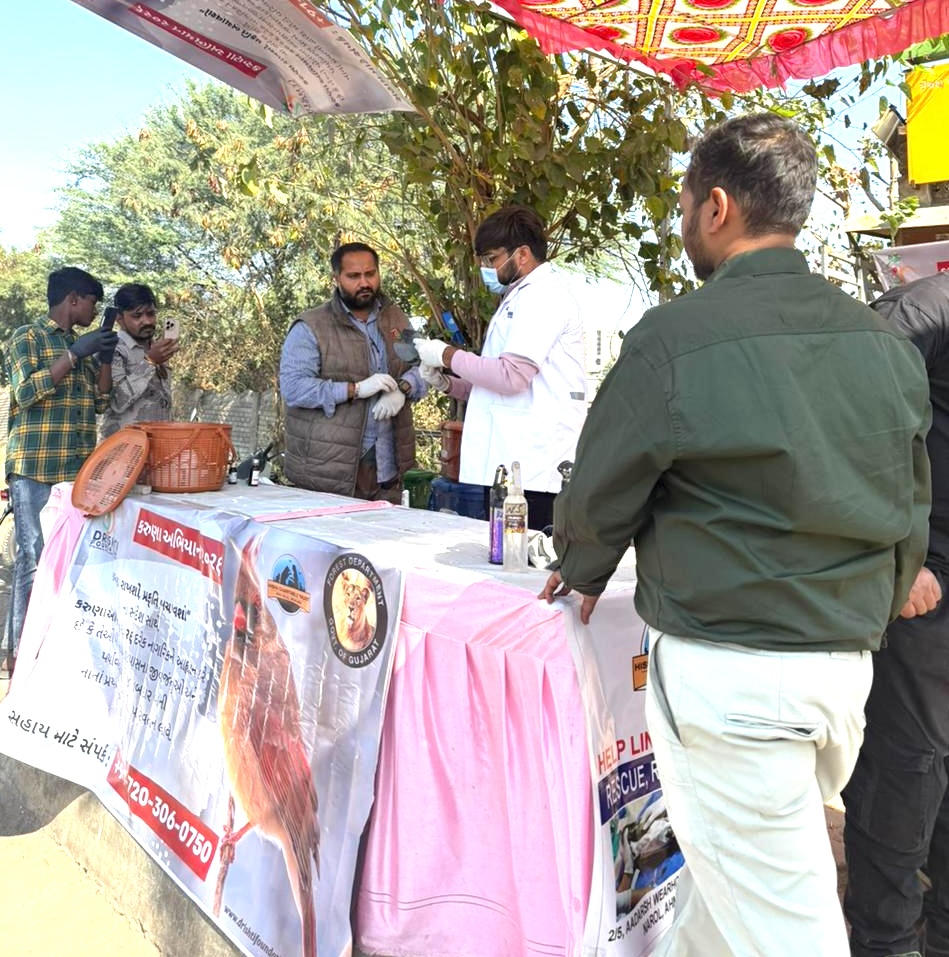
Drishti Foundation’s biodiversity rescue model operates through an integrated, multi-layered framework developed through 27 years of field research and implementation. A key component is wildlife rescue and rehabilitation. Urban wildlife often gets trapped in human infrastructure buildings, drainage lines, industrial zones, and transport corridors. The Foundation conducts emergency rescue operations for injured birds, reptiles, and small mammals, providing veterinary care through institutional collaborations before releasing them into safe habitats. These rescues are supported by trained volunteers, rapid response systems, and partnerships with animal health professionals.

Habitat restoration forms the backbone of long-term biodiversity rescue. Without functional habitats, rescued species cannot survive. Drishti Foundation restores degraded urban forests, biodiversity parks, riverbanks, and open green zones using ecological design principles. Restoration includes soil regeneration, invasive species removal, native plantation, and water retention enhancement. These restored habitats gradually attract birds, butterflies, amphibians, and small mammals, rebuilding ecological networks within city boundaries.

Water body rejuvenation is another flagship vertical. Urban lakes and ponds are biodiversity epicentres supporting aquatic plants, fish, amphibians, reptiles, and migratory birds. However, pollution and encroachment have rendered many biologically inactive. Drishti Foundation undertakes de-silting, waste removal, shoreline stabilisation, and aquatic plantation. Bird nesting islands, bio-fencing, and community protection systems are introduced to safeguard restored ecosystems. Such rejuvenated wetlands often witness the return of migratory species within seasonal cycles.

Native tree plantation and maintenance is implemented using scientific biodiversity criteria rather than cosmetic landscaping approaches. Many urban plantations fail because they rely on ornamental or exotic species that do not support fauna. Drishti Foundation promotes indigenous trees that provide fruits, nectar, shelter, and nesting support. Multi-layer plantations combining canopy trees, understory shrubs, and ground vegetation create functional habitats rather than decorative green spaces. Survival audits and maintenance protocols ensure long-term ecological success.

As a Research and Development organisation, documentation and scientific assessment are central to Drishti Foundation’s approach. Biodiversity mapping, species indexing, habitat vulnerability studies, and ecological impact assessments are conducted across intervention sites. This data supports evidence-based conservation planning and contributes to policy advocacy. Urban biodiversity registers and citizen biodiversity audits further strengthen ecological databases while fostering public participation.

Community engagement is indispensable for sustainable biodiversity rescue. Urban ecosystems are embedded within human settlements; therefore, conservation must be citizen-owned. Drishti Foundation conducts awareness drives, school eco-club programs, volunteer rescue trainings, and biodiversity walks. Citizen reporting mechanisms enable residents to report injured wildlife or ecological threats. This participatory stewardship model transforms passive residents into active conservation stakeholders.

Technology integration has significantly enhanced biodiversity rescue efficiency. The Foundation deploys GIS mapping to identify biodiversity hotspots and habitat fragmentation zones. Drone surveys assist in wetland and forest assessments. Digital monitoring tools track plantation survival and species return patterns. Technology also supports rescue logistics, volunteer coordination, and ecological data management, ensuring scalability and scientific rigour.

Over nearly three decades, Drishti Foundation’s biodiversity rescue initiatives have generated measurable ecological and social impact. Thousands of urban wildlife rescues have been executed. Multiple water bodies have been restored from polluted states to thriving ecosystems. Urban forest patches have been created, increasing bird and pollinator populations. Community conservation networks have emerged, and biodiversity awareness has deepened among youth and institutions. These outcomes demonstrate that structured urban biodiversity interventions can reverse ecological decline when implemented consistently.

The urgency of biodiversity rescue is intensifying as India’s urban population continues to surge. Projections indicate that hundreds of millions will reside in cities in the coming decades. Without biodiversity integration, cities risk becoming environmentally fragile prone to flooding, heat stress, pollution, and public health crises. Biodiversity must therefore be embedded into urban planning, infrastructure design, and municipal governance frameworks.

Looking ahead, Drishti Foundation advocates a collaborative roadmap involving municipal bodies, corporates, academic institutions, and civil society. Urban biodiversity action plans, CSR-funded habitat restoration, biodiversity-sensitive infrastructure, wetland protection regulations, and school-level ecological education are essential to scaling impact. Research institutions must partner in long-term monitoring, while technology platforms should enable citizen science participation.

Biodiversity rescue is ultimately about coexistence. It is about recognising that cities are shared habitats where human progress and ecological preservation must advance together. The survival of birds, butterflies, reptiles, wetlands, and urban forests directly influences the sustainability of human life within cities.

With 27 years of Research and Development leadership, Drishti Foundation continues to champion this mission rescuing injured wildlife, restoring degraded ecosystems, reviving native biodiversity, and building community custodianship of nature. Its work demonstrates that urban biodiversity loss is reversible when science, society, and sustainability converge with commitment.

Safeguarding biodiversity in urban areas is not just an environmental responsibility it is an investment in climate resilience, public health, ecological security, and the future liveability of India’s cities.

“Reach out to explore collaborations, discover our initiatives, and contribute to creating meaningful, lasting change.”

Twitter : https://www.twitter.com/drishtiresearch

Youtube : https://www.youtube.com/drishtiresearch

Facebook: https://www.facebook.com/drishtiresearch

Instagram : https://www.instagram.com/drishtiresearch

Linkedin : https://www.linkedin.com/company/drishtiresearch 

Drishti Foundation and Its Achievements in 27 Years – A Journey of Impact and Transformation

For the past 27 years, Drishti Foundation has been a beacon of change, compassion, and innovation at the grassroots level. Impact is established with the vision of creating a just, equitable, and sustainable society, the foundation has worked tirelessly in areas such as Public Policy, Research and Development, Environment, and Higher Education. Its journey is a testament to the power of dedication, community participation, and a results-oriented approach. Over nearly three decades, Drishti Foundation has touched and create impact on countless lives, influenced policy frameworks, and contributed to the socio-economic development of communities across India.

A Vision Rooted in Service

From its inception, Drishti Foundation set out to bridge the gap between policy and practice. The founders envisioned an organization that could directly address the needs of marginalized communities while also influencing systemic change through research and policy advocacy. The core belief was simple yet powerful lasting change begins at the grassroots level.

This philosophy has been the guiding principle behind all initiatives, ensuring that every project undertaken by the foundation aligns with the real needs of people on the ground. This unique combination of policy engagement and fieldwork has set Drishti Foundation apart from many other organizations.

Public Policy and Governance Impact

One of the most remarkable achievements of Drishti Foundation is its contribution to public policy. Over the years, the foundation has collaborated with government bodies, academic institutions, and civil society organizations to develop policies that are inclusive, evidence-based, and implementable.

Through extensive research and policy papers, Drishti Foundation has influenced reforms in areas such as education access, environmental conservation, and rural development. The foundation’s expertise in policy analysis has made it a trusted partner in shaping governance frameworks that prioritize equity and sustainability.

Breakthroughs in Research and Development

Research has always been the backbone of Drishti Foundation’s work. By conducting rigorous field studies, data-driven assessments, and impact evaluations, the organization has generated actionable insights that have informed decision-making at local, state, and national levels.

From studying climate change impacts in rural India to evaluating the effectiveness of higher education policies, Drishti Foundation’s research has spanned a wide range of critical subjects. This research-driven approach ensures that every intervention is backed by solid evidence, making the initiatives more effective and replicable.

Environmental Conservation Efforts

Environmental protection is at the heart of Drishti Foundation’s mission. Recognizing that climate change and ecological degradation directly affect vulnerable communities, the foundation has launched numerous programs focused on marine conservation, biodiversity preservation, and sustainable resource management.

Community-led afforestation drives, awareness campaigns on waste management, and marine life protection projects have yielded significant results. By engaging local communities as stakeholders in conservation efforts, Drishti Foundation has not only protected the environment but also generated livelihood opportunities through eco-friendly initiatives.

Higher Education and Capacity Building

Education is a powerful catalyst for change, and Drishti Foundation has been a strong advocate for accessible and quality higher education. Over the past 27 years, the foundation has supported scholarships, vocational training, skill development programs, and leadership workshops for youth from underprivileged backgrounds.

The foundation’s higher education initiatives have helped bridge the gap between academic learning and employability. By nurturing talent and promoting lifelong learning, Drishti Foundation has empowered a new generation of leaders who are capable of driving positive change in their communities.

Disaster Relief and Humanitarian Aid

In times of natural disasters and humanitarian crises, Drishti Foundation has been at the forefront, delivering timely aid and support. From flood relief operations to pandemic response efforts, the foundation’s teams have worked under challenging circumstances to ensure affected communities receive food, shelter, healthcare, and rehabilitation support.

The swift mobilization of resources during such emergencies reflects the foundation’s strong operational network and commitment to humanitarian service.

CSR Collaborations and Partnerships

Corporate Social Responsibility (CSR) partnerships have played a vital role in amplifying the foundation’s impact. Over the years, Drishti Foundation has collaborated with corporations to design and implement projects in education, environment, and community development.

These partnerships have allowed the foundation to scale its initiatives, bring in technological innovations, and create sustainable models that benefit both communities and corporate partners. By aligning CSR goals with grassroots needs, Drishti Foundation has demonstrated how corporate and social sectors can work hand in hand for mutual benefit.

Empowering Volunteers and Community Participation

One of the pillars of Drishti Foundation’s success has been its volunteer network. People from diverse backgrounds—students, professionals, retirees—have contributed their time, skills, and resources to various initiatives.

The foundation believes in participatory development, where communities are not just beneficiaries but active participants in the change-making process. This inclusive approach fosters a sense of ownership, making projects more sustainable and impactful.

Key Achievements Over 27 Years

  1. Policy Influence – Contributed to key policy reforms in education, environment, and rural development.
  2. Research Leadership – Published impactful studies influencing government programs and NGO strategies.
  3. Environmental Milestones – Led marine conservation projects, planted thousands of trees, and reduced plastic waste in targeted communities.
  4. Educational Impact – Enabled thousands of students to access higher education through scholarships and skill programs.
  5. Disaster Response – Provided aid to millions during floods, earthquakes, and the COVID-19 pandemic.
  6. Partnership Growth – Built long-term CSR collaborations with national and international companies.
  7. Volunteer Engagement – Developed a dedicated network of volunteers contributing to various sectors.

Recognition and Awards

Drishti Foundation’s dedication has been recognized with numerous awards and honors at local, national, and international levels. These accolades not only celebrate the foundation’s achievements but also serve as a reminder of the responsibility to continue striving for excellence.

Looking Ahead – The Next Chapter

As Drishti Foundation celebrates its 27-year milestone, it is also looking to the future with renewed energy. The next decade will focus on scaling sustainable solutions, leveraging digital tools for social impact, and deepening community partnerships.

With the challenges of climate change, economic inequality, and social justice becoming more urgent, Drishti Foundation remains committed to its mission—creating systemic change through research, policy advocacy, and grassroots action.

The story of Drishti Foundation is not just about numbers and projects; it is about transforming lives, shaping policies, and protecting the planet. Over 27 years, the foundation has evolved into a trusted institution that blends compassion with expertise, vision with action, and policy with practice.

In an era where social change requires collective effort, Drishti Foundation stands as an inspiring example of what is possible when dedication meets strategy. Its journey serves as a call to action for individuals, corporations, and policymakers to work together for a sustainable and equitable future.

“Reach out to explore collaborations, discover our initiatives, and contribute to creating meaningful, lasting change.”

Facebook: https://www.facebook.com/DrishtiFoundationTrust/

Instagram : https://www.instagram.com/drishtifoundation

Youtube : https://www.youtube.com/drishtifoundationtrust

Linkedin : https://www.linkedin.com/company/drishtifoundationtrust

Twitter : https://www.twitter.com/dftindia